TICKET SALES TERMINATED
Tickets are currently unavailable on TicketWeb
Opus One Presents
Tophouse with special guest Driftwood
Sat, 29 Mar, 8:00 PM EDT
Doors open
7:00 PM EDT
Mr Smalls Theatre
400 Lincoln Ave, Millvale, PA 15209
TICKET SALES TERMINATED
Tickets are currently unavailable on TicketWeb
Description
All Ages
Event Information
Age Limit
All Ages
Folk
TopHouse
TopHouse
Folk
Expectations versus reality. Unbridled optimism versus rugged lived experience. Theory versus Practice.
This is the conflict at the center of Tophouse’s dueling new EPs.
Theory, released in May 2024, brims with hope, optimism, and the unshakeable knowledge that hard circumstances and people can change for the better.
The new EP, Practice is different. While the band’s intricate arrangements and high-energy performances carry through, the subject matter and outlook of these new songs stands in stark contrast to the upbeat and hopeful worldview of Theory.
“We didn’t start out writing these songs with a two-part set of EPs in mind,” says lead vocalist Joe Larson. “But when they were written and we were looking at how to arrange them on an album, the clear delineation of themes became pretty apparent. The idealistic, hopeful worldview that we can all strive for in Theory, up against the hard reality that life doesn’t always work out the way we want in Practice.”
“I Don’t Wanna Move On” is a stark meditation on coming to terms with separation. The chorus repeats, like a rosary, swelling to a frenetic burst of cathartic acoustic energy.
“Meteor”, bolstered by lush string arrangements and Western electric guitar, is about crashing and burning from self-sabotage. The Western elements in this song, themselves a rarer color palette for Tophouse, are contrasted by a vaguely sci-fi string track.
On “Waste”, the band confronts the consequences and loneliness of living with past mistakes. The song’s vivid imagery places the listener in a frigid, stark, and lonely moment asking the haunting question – is every experience worth having, or are some experiences worth never having at all?
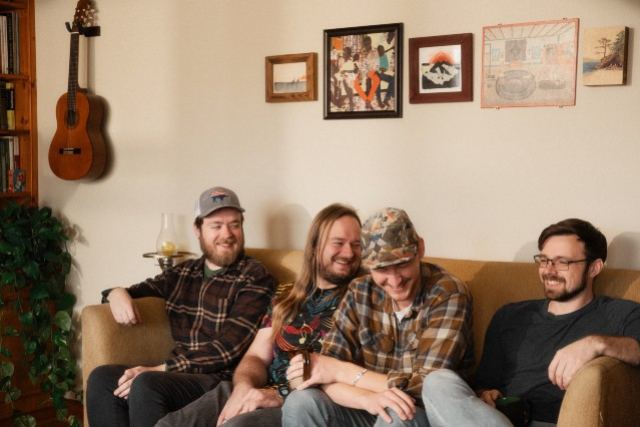
Tophouse, comprised of Larson (lead vocals, guitar, banjo), Jesse Davis (guitar, mandolin, percussion, backing vocals), William Cook (violin, backing vocals), and Andy LaFave (piano, backing vocals), formed in 2016 in Missoula, Montana, where Cook and Davis met in the music program at the University of Montana. They began as a street performing duo, honing their craft performing instrumental originals on the streets (and empty parking garages) of Missoula. Cook soon brought Larson, a longtime friend, into the fold and the trio began recording original songs and performing up and down the stunningly beautiful Bitterroot Valley.
In late 2019, the boys were faced with a hard choice: keep growing their personal and professional lives in Missoula and leave music as just a hobby or leave their beloved home state and move across the country to Nashville and devote themselves to music. They chose the latter.“It was sort of always the plan to move to Music City” says Larson, “I think it was a combination of naiveté́ and the desire to make the whole music thing a concrete part of our lives.”
Within a few months of moving to the Southeast, the world ground to a halt due to the Covid-19 pandemic. Stuck in an unfamiliar city with nowhere to go, the trio hunkered down and honed their craft. As the world began to cautiously open back up, the band reemerged with new music and a new member: Lafave, an old friend of the boys from back home, rounding out the sound with piano.
In the spring of 2022, Tophouse began posting videos of their performances on social media. Much to their surprise, within weeks their posts began getting traction and the views continued to multiply as their online following expanded quickly and consistently. Wasting no time, the boys sought to move this connection with new fans from the screen to real life. The started booking shows themselves and began touring as much as possible wherever possible. They played any stage, backyard, bar, brewery or living room that would have them between Nashville and Montana. Somehow, word spread and people kept showing up, sometimes driving hours to attend these tiny shows. It was truly amazing and the four band-members took none of it for granted. The growing audience only made them work harder on both on their live experience and cultivating a community with their fans.
It wasn’t long after when Tophouse found a likeminded manager and booking agent who shared their vision and work ethic. Soon the rooms and crowds grew larger and larger. Even their Instagram is nearing 300,000 followers. Within two years, Tophouse went from playing to anyone who would listen to selling out shows across the entirety of the United States.
So, what is a Tophouse show like? One of the defining characteristics of a Tophouse show is the contrast between their tight, energetic performances and their warm and witty stage banter in between songs. Cook might recite a passage from a beloved book to background accompaniment. Davis might begin an impromptu Q & A with the audience. It’s the comfort and chemistry of four people who have known each other for a very long time and are perfectly OK with just being themselves. Who they are onstage is exactly who they are offstage.
Of all the things that have come together for these four homegrown Montana boys, what rises above it all are the fans. The connection forged between Tophouse and their fans is genuine and infectious. This is apparent when you hear their passionate audiences enthusiastically belting out the choruses and singing the verses at every show. Or, when you see the fan art shared online or in-person or hear the emotional stories of how Tophouse’s songs have become the soundtrack to their loves, losses, triumphs and tragedies.
“It really is the best part,” Larson says; “getting to hear how our little songs can be used in so many different ways. It’s very encouraging.”Four old friends from Montana sharing their music with new friends everywhere. That’s Tophouse, and they’re just getting started.
Folk
Driftwood
Driftwood
Folk
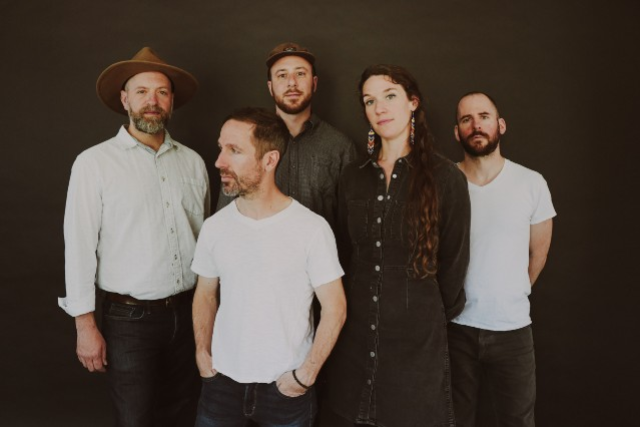
Music has guided Driftwood to hallowed ground many times since its founding members, Joe Kollar and Dan Forsyth, started making music as high schoolers in Joe's parents' basement. Whether the Upstate New York folk rock group—which today also includes violinist Claire Byrne, bassist Joey Arcuri, and drummer Sam Fishman—are converting new fans on a hardscrabble tour across the country or playing to a devoted crowd at hero Levon Helm’s Woodstock barn, the band’s shapeshifting approach to folk music continues to break new ground. And yet in many ways Driftwood's latest work, the transformative December Last Call, finds the group coming home.
Recorded in that very same basement where the Driftwood dream began, December Last Call lyrically reflects on the recent past, musing on the ways the group grew up, together and apart, through curveballs like new parenthood or pandemic shutdowns. But sonically, the band’s sixth album looks confidently to the future, experimenting with new sounds while staying true to the bluegrass roots that built them. Across the album’s nine tracks, the band often leans into hard-rocking electric guitars and driving percussion: On “Every Which Way But Loose,” we get a foot-tapping beat and a sweeping chorus, and on “Up All Night Blues,” the band shines with an ambling, sing-along-able reflection on the challenges of new motherhood. But other tracks, like standout closer “Stardust,” take a simpler route, allowing bare-bones vocals and acoustic instrumentals to underpin a deeper emotional message.
One of Driftwood’s biggest differentiators—and perhaps its biggest strength—is the sheer breadth of talent in its lineup, with Claire, Joe, and Dan all contributing as songwriters and vocalists. This creative push-pull, where each selects songs to share with the group and record together, bakes vulnerability and collaborative spirit into every recording. “It's at the heart of what we do,” says Dan. “Everybody has a strong love for songs, for songwriting, and we each appreciate everybody else and the way that they contribute to that.”
While 2019’s acclaimed Tree of Shade tapped Simon Felice as producer, the band opted to self-produce this latest effort, leaning into their creative impulses and striving to capture their distinctive live energy. Figuring out how to channel that on-stage intensity into a recording has actually, in many ways, been a lesson in restraint. “When I look back at the things we were writing and playing, oh, I don't know, 10, 12 years ago, they were really arranged: a lot of you do this here, we're going to do this there, we're going to break down, we're going to do a big build,” Claire explains. “These days, it's more like, ‘Let's play the song and just see what happens.’”
This approach makes all the more sense when you consider Driftwood’s live shows, which operate not only as effervescent, twang-studded musical parties, but also as reunions for their throng of devoted listeners—folks who have started to feel less like fans and more like something bigger. “They're supporters. They're friends,” explains Joe. “It's crazy how much love we've got and how many wild situations on the road we've gotten out of because of those people.” Many of them are quite literally invested in the band’s future: December Last Call was a crowd-funded effort, and it wasn’t the band’s first. It’s as if every listener, ticketbuyer, album backer, and general band evangelist is in on Driftwood’s biggest secret: this whole band thing has endured for nearly two decades because it offers a kind of community you can’t get just anywhere.
“Driftwood is basically a beautiful friendship that happens to play music together,” says Joe. “I know it's rare. I know I'm lucky to know these people and lean on them and go through these massive life changes together.” For Driftwood, each song is like a journal entry: cathartic to create, yes, but capable of unlocking new lessons—and when shared—forging new bonds. “We're communal, right? Humans need to be connected,” Joe says. “And we get to have this special thing.”