TICKET SALES TERMINATED
Tickets are currently unavailable on TicketWeb
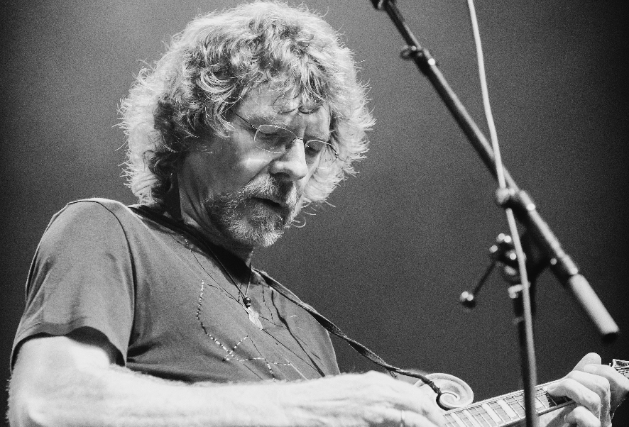
Sam Bush
Sat, 30 May, 8:00 PM CDT
Doors open
7:00 PM CDT
SPACE
1245 Chicago Avenue, Evanston, IL 60202
TICKET SALES TERMINATED
Tickets are currently unavailable on TicketWeb
Description
There was only one prize-winning teenager with gumption enough to say, “thanks, but no thanks” to Roy Acuff. Only one son of Kentucky both finding a light of inspiration from Bill Monroe and his Blue Grass Boys and catching a fire from Bob Marley and The Wailers. Only one progressive hippie allying with like-minded conspirators, rolling out the New Grass revolution, and then leaving the genre’s torch-bearing band behind as it reached its commercial peak.
There is only one consensus pick of peers and predecessors, of the traditionalists, the rebels, and the next gen devotees. Music’s ultimate inside outsider. Or is it outside insider? There is only one Sam Bush.
On a Bowling Green, Kentucky cattle farm in the post-war 1950s, Bush grew up an only son, and with four sisters. His love of music came immediately, encouraged by his parents’ record collection and, particularly, by his father Charlie, a fiddler, who organized local jams. Charlie envisioned his son someday a staff fiddler at the Grand Ole Opry, but a clear day’s signal from Nashville brought to Bush’s television screen a tow-headed boy named Ricky Skaggs playing mandolin with Flatt & Scruggs, and an epiphany for Bush. At 11, he purchased his first mandolin.
As a teen fiddler, Bush was a three-time national champion in the junior division of the National Oldtime Fiddler’s Contest. He recorded an instrumental album, Poor Richard’s Almanac, as a high school senior and in the spring of 1970 attended the Fiddlers Convention in Union Grove, NC. There he heard the New Deal String Band, taking notice of their rock-inspired brand of progressive bluegrass.
Acuff offered him a spot in his band. Bush politely turned down the country titan. It was not the music he wanted to play. He admired the grace of Flatt & Scruggs, loved Bill Monroe - even saw him perform at the Ryman - but he’d discovered electrified alternatives to tradition in the Osborne Brothers and manifest destiny in The Dillards.
“I started working at the Holiday Inn as a busboy,” Bush recalls. “Ebo Walker and Lonnie Peerce came in one night asking if I wanted to come to Louisville and play five nights a week with the Bluegrass Alliance. That was a big, ol’ ‘Hell yes, let’s go.’”
Bush played guitar in the group, then began playing mandolin after recruiting guitarist Tony Rice to the fold. Following a fallout with Peerce in 1971, Bush and his Alliance mates - Walker, Courtney Johnson, and Curtis Burch - formed the New Grass Revival, issuing the band’s debut, New Grass Revival. Walker left soon after, replaced temporarily by Butch Robins, with the quartet solidifying around the arrival of bassist John Cowan.
“There were already people who had deviated from Bill Monroe’s style of bluegrass,” Bush explains. “If anything, we were reviving a newgrass style that had already been started. Our kind of music tended to come from the idea of long jams and rock-&-roll songs.”
Event Information
Age Limit
All Ages
