TICKET SALES TERMINATED
Tickets are currently unavailable on TicketWeb
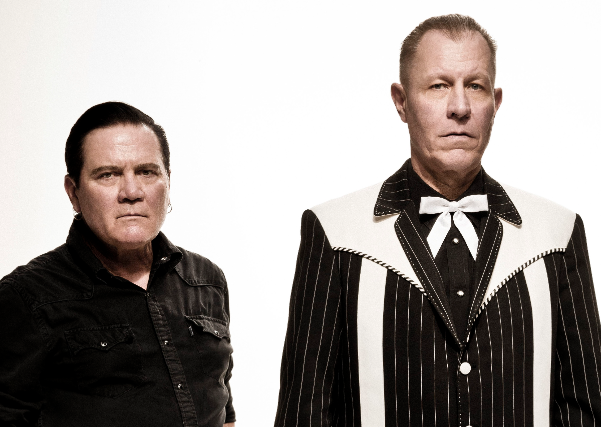
Reverend Horton Heat w/ Black Joe Lewis & Piñata Protest
Fri, 10 Apr, 8:00 PM EDT
Doors open
6:00 PM EDT
Sony Hall
235 W 46th St, New York, NY 10036
TICKET SALES TERMINATED
Tickets are currently unavailable on TicketWeb
Description
VIP Reserved Seating
Guaranteed Seating in Designated Section • First Come, First Serve
$75
General Admission
Standing Room Only
$35
Full Menu + Prix Fixe Menu Available
$20 Minimum Per Person at Tables
All Ages for Entry
Visit Our Upstairs Bar & Restaurant Pre or Post Show
Groups of 10+ Contact Us
FAQ
Event Information
Age Limit
All Ages
Rockabilly
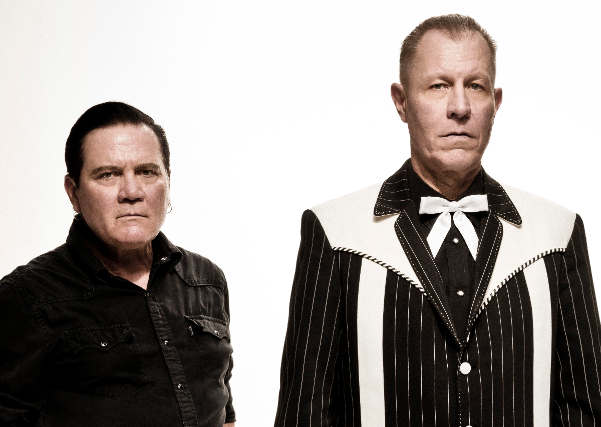
Reverend Horton Heat
Reverend Horton Heat
Rockabilly
With their hot-rodded fusion of dazzling high-speed guitar runs, thundering rhythms, high-profile swagger, and lyrical smirk, the Reverend Horton Heat are perhaps the most popular psychobilly artists of all time, their recognition rivaled only by the esteem generated by the genre's founders, . The Reverend (as both the band and its guitar-playing frontman are known) built a strong cult following during the '90s through constant touring, manic showmanship, and a barbed sense of humor. The latter was nothing new in the world of psychobilly, of course, and Heat's music certainly maintained the trashy aesthetic of his spiritual forebears. The Reverend's true innovation was updating the psychobilly sound for the alternative rock era. In their hands, it had roaring distorted guitars, rocked as hard as any punk band, and didn't look exclusively to the pop culture of the past for its style or subject matter. Most of the Reverend's lyrics were gonzo celebrations of sex, drugs, booze, and cars, and true to his name, his early concerts often featured mock sermons in the style of a rural revivalist preacher. On their 1992 debut Smoke 'Em If You Got 'Em, the group established the template of their no-frills, high-intensity approach to rockabilly, and though celebrity producers helped beef up the sound of their next two albums -- of on 1993's The Full Custom Gospel Sounds and 's on 1994's Liquor in the Front -- the Reverend's essential style changed little with time. They would explore a more introspective side on 2004's Revival, embrace their country influences on 2009's Laughin' & Cryin' with the Reverend Horton Heat, and add a pianist to the mix on 2018's Whole New Life, but on-stage and in the studio, Jim Heath and his bandmates could always be depended upon to deliver some of the twangy fire that their fans loved.
Reverend Horton Heat -- the man, not the band -- was born James C. Heath in Corpus Christi, Texas. Growing up, he played in local rock cover bands around the area but was more influenced by ' rockabilly, electric Chicago blues, and country mavericks like , , and . According to legend, he spent several years in a juvenile correction facility, and at 17 was supporting himself as a street musician and pool shark (according to the Reverend, however, the story was fabricated by to add color to his greaser image). Heath eventually moved to Dallas, where he found work at a club in Deep Ellum. There, he gave his first performance in 1985 as Reverend Horton Heat, christened as such by the club's owner. Heat played the city's blues club circuit for a while, performing mostly for polite crowds and swing dancing enthusiasts. Craving the excitement of a rock & roll show, and seeking a more financially rewarding avenue to help with his child support payments, Heat revamped his sound and moved into rock and punk venues. In 1989, he added bassist Jimbo Wallace to his band, and drummer Patrick "Taz" Bentley soon completed the lineup.
Reverend Horton Heat were a big hit around the area, and soon began touring extensively all around the country. They ultimately landed a deal with the prominent Seattle-based indie label , and in 1991 issued their debut album, Smoke 'Em If You Got 'Em, which featured fan favorites like "Eat Steak," "Marijuana," "Bad Reputation," and "Love Whip." The band kept building its audience through steady touring, and received considerable media attention for 1993's sophomore effort The Full Custom Gospel Sounds of the Reverend Horton Heat. Produced by ' , it spawned a minor MTV hit in "Wiggle Stick," and also included Heat staples "400 Bucks" and "Bales of Cocaine."
Having amassed a significant underground following, Horton Heat signed a major-label deal with in 1994, and debuted that year with a joint release between and , Liquor in the Front (subtitled "Poker in the Rear" for anyone who missed the first double-entendre). This time around, Heat had an even more unlikely producer in 's ; he also had major-label bucks, which contributed to a ratcheting up of the hell-raising lifestyle he often sang about, and eventually the temporary worsening of a drinking problem. In the meantime, drummer Bentley left the band later in 1994 to join ; he was replaced by Scott "Chernobyl" Churilla.
Horton Heat returned in 1996 with It's Martini Time, which featured several nods to the swing and lounge revival scenes emerging around that time; as a result, the title track became a minor hit, and the album became their first to chart in the Top 200. That year, Heat made his small-screen acting debut thanks to his on-stage preacher shtick, which earned him a guest spot on the acclaimed drama Homicide: Life on the Street. The following year, he appeared on The Drew Carey Show. The band's final major-label album, Space Heater, arrived in 1998; after its release, the gigantic label mergers of that year resulted in the band being dropped from . In the wake of their exit, released a 24-song best-of compilation, Holy Roller, in 1999, covering their entire output up to that point.
Undaunted, they continued to tour, and in 2000 recorded the more straightforward rockabilly album Spend a Night in the Box for the label. This time, ' manned the production booth. The Reverend next surfaced on with 2002's Lucky 7, his hardest-edged album in quite some time. Its single, "Like a Rocket," was selected as the theme song for that year's Daytona 500 race. Buoyed by the publicity, Heat signed a new deal with in 2003. His first album for the label, Revival, appeared the following year, as did a live DVD. In 2005, he gave the world its first psychobilly holiday album, We Three Kings. Three years later, the frontman unveiled his side project Reverend Organdrum, which explored a wider range of retro sounds with Hi-Fi Stereo. In 2006, Scott Churilla left the band, and Paul Simmons became the group's drummer. Laughin' & Cryin' with Reverend Horton Heat, a country-leaning set, appeared from in 2009, followed by 2012's 25 to Life, a live documentary/greatest-hits CD/DVD box set released to coincide with the group's 25th anniversary. After the release of 25 to Life, Scott Churilla returned to the lineup, and stayed with the band until 2017, when he was succeeded by drummer Arjuna "RJ" Contreras. In 2018, the Reverend Horton Heat became a quartet with the addition of full-time piano player Matt Jordan; Contreras and Jordan would make their recording debut with the band on their 2018 album Brand New Life. ~ Steve Huey & Mark Deming, Rovi
Pop
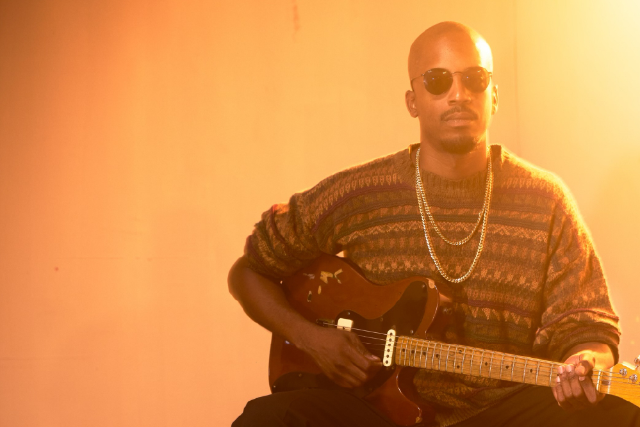
Black Joe Lewis
Black Joe Lewis
Pop
Black Joe Lewis & the Honeybears return with their most subversive record to date: an exploration of the sordid trappings of ego, isolation, consumption, waste, and war. Sonically inspired by the Hill Country blues, cowpunk, and southern soul of Stax, the album charts new territory with a heavy stream of lyrical consciousness. This is The Difference Between Me & You. Influenced by Lewis’ first decade on the road, embodying a deep repertoire of sounds and drawing from: the heavy grooves of Albert King, the punked-up blues of R.L. Burnside, the storytelling of Bobby “Blue” Bland, and the soulfully layered horns of the Stones. No one sound holds more weight than the next; all are all omnipresent throughout. The Difference Between Me & You is the band’s fifth studio album. And while it’s an approach that might veer slightly from the typical sounds those who’ve followed the band are used to hearing, it was a conscious step in a new direction for Lewis. When asked, Lewis says he wanted to “make a more complex and reflective record” than he had before. On The Difference Between Me & You, Black Joe Lewis & the Honeybears traverse a lifetime of physical and metaphysical experiences characterized by self reflection and conscious decision making, prompting difficult questions and responding honestly. Listening to The Distance, one thing is clear: Lewis pulls off a rare feat, creating an informed, “real blues” record.

Pop
Piñata Protest
Piñata Protest
Pop
Punk rock like abuela used to make!
Piñata Protest is a “Tex-Mex punk” band from San Antonio, TX. Their self described sound and attitude arises from the two counter-clashing worlds that the band embraces: punk and Tex-Mex.
Piñata Protest’s unique and catchy sound takes the traditional folk rhythms of Tex-Mex music (conjunto and norteño music that is native to the South-Texas and Nortern-Mexican region they originate from) along with the three-row button accordion and combine that with the fast tempos and attitude of punk rock, ska, and many other genres. Along with the use of traditional instruments and rhythms the band also sings in their regional mix of Spanish and English (or Spanglishas it’s called locally). Their songs lyrics cover a range of topics, from political topics close to the ethno-identities of the band, drinking, love, religion, and racism. Adding to their sonic performances is a lively and energetic live show that ignites crowds to mosh, skank, and twirl their dance partners.
Piñata Protest was founded by the Mexican-born singer, song writer, and accordionist Álvaro Del Norte. The band includes Regino Lopez on electric guitar and vocals, Richie Brown on electric bass and vocals, and Chris-Ruptive on drums. Other instruments such as the trumpet and güido are used in not only their studio recordings but their live performances as well.
For over ten years the quartet has maintained a busy schedule of performing and touring throughout the United States, Canada, Mexico, Spain, and France alongside range of musical acts such as The Reverend Horton Heat, Mariachi El Bronx, Molotov, GBH, Tagada Jones, Guttermouth, Voodoo Glow Skills, Brujeria, The Toadies, Ramon Ayala, The Blasters, Authority Zero, Agent Orange, Ozomatli, Mustard Plug, The Blasters, and Wayne Hancock.
Festivals are a strong point for Piñata Protest. Their very eclectic sound, interactive show, and energetic performances makes them a perfect fit for a wide variety of festivals. Most notably the band has had several official appearances at Punk Rock Bowling, SXSW, The Tejano Fan Fair, Flogging Molly’s Salty Dog Cruise, Palomino Fest, Punk In Drublic, The Latin BMI Awards, Accordion Noir, Muddy Roots Festival, and a slew punk, folk, and Mexican themed festivals.
The bands unique sound has also leaded them to be featured in soundtracks for the following major and independently release films: Tequila Re-Pasado (2023), Me Estas Matando Susana (2016), La Soldera (2015), Circus of the Dead (2014). The band has also written music specially for Me Estas Matando Susana.
The band has also had several collaborations with companies including releasing their own beer through Freetail Brewing with a released of Piñata Protest beer which was distributed in grocery chains, bars, and venues across Texas. The band has also collaborated with other worldwide brands such as Tecate beer, Ford Motor Company, and Nike Athletics.