EVENT CANCELLED
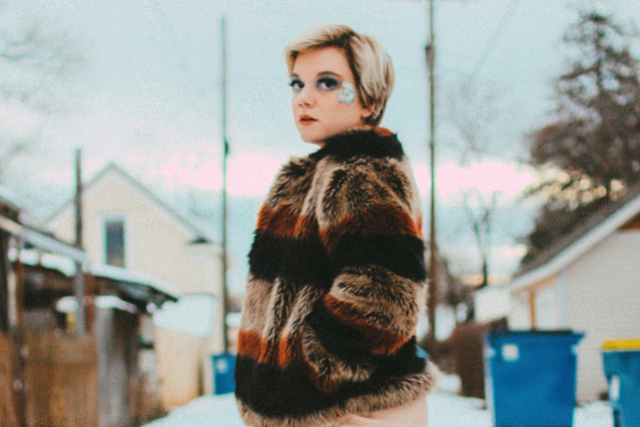
Lydia LovelessAndrew Sa
Fri, 31 Dec, 9:30 PM CST
Doors open
8:00 PM CST
FITZGERALDS NIGHTCLUB
6615 W Roosevelt Road, Berwyn, IL 60402
EVENT CANCELLED
Description
FITZGERALDS PRESENTS A NEW YEARS EVE CONCERT WITH:
LYDIA LOVELESS
w/ Andrew Sa
Ticket purchase includes complimentary appetizers + A Welcome Cocktail
***UPDATED VACCINE POLICY***
Upon entry to FITZGERALDS NIGHTCLUB* all patrons, staff, and performers must present either proof of vaccination, or a negative covid test result within the last 72 hours. Masks are required for staff and all patrons indoors.
Doors open at 8pm, General Admission, No Reserved Seating. Under 21 ok if accompanied by parent or guardian. Tickets are NOT mailed to you unless you select delivery. All Tickets are Non-Refundable. All Tickets are Non-Transferrable. A NON-REFUNDABLE service charge will be added to the purchase price of each ticket - in the instance of a show cancellation, this fee will not be returned. Parking is available on the street with no permit restrictions or meters; DO NOT park in business or mini-mall lots or you will be towed. Outside food and/or drink is not allowed. Enjoy dinner at our restuarant BABYGOLD BARBECUE before the show: https://www.babygoldbbq.com/
Country
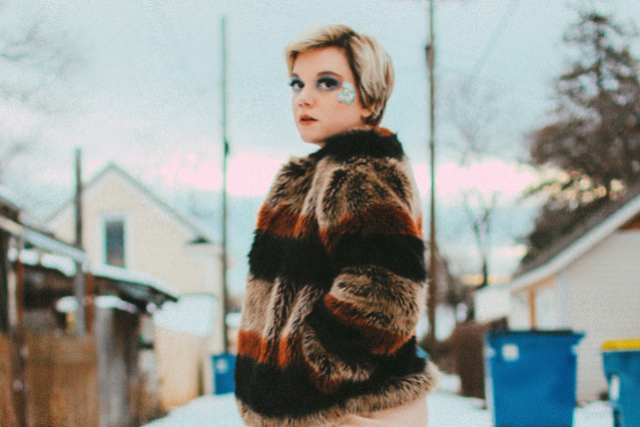
Lydia Loveless
Lydia Loveless
Country
Daughter–her first album in four years–marks the triumphant return of Lydia Loveless, and documents a period of personal upheaval, including a divorce and an interstate move away from her longtime home. Left feeling unmoored and adrift, Loveless worked to redefine herself, both in her own mind and within the context of the world. Written with her characteristic candidness and razor-sharp wit, Daughter is a self-aware journey into independence.
In 2016, Loveless released her third record Real, which built on the success of her 2014 breakout Somewhere Else. The albums were embraced by critics and listeners alike, with her fanbase growing to even include some of Loveless’ heroes like Lucinda Williams and Jason Isbell. Those luminaries would become tour mates as Loveless and her band lived out of suitcases, working tirelessly in support of the releases. It was a time filled with many exciting firsts like TV appearances and performing at festivals (CBS This Morning: Saturday Sessions, Stagecoach Festival, AmericanaFest), but this strenuous time on the road wasn’t without its costs.
Loveless returned home exhausted, feeling she could no longer function at such a demanding level and longing for an overdue break. The next few months were marked by intense change: Loveless parted ways with her husband, who also played bass in her band, and moved away from Columbus, Ohio, which had been her home for years. She was left feeling disconnected from herself and everything she thought she knew. “I felt frustrated with myself for going straight from my tumultuous teen years into a marriage so that I could feel safe, and right when I was getting out of the situation, people around me were settling down and having kids. I felt lost and inexperienced,” Loveless explains. “Meanwhile the political landscape was turning even more bleak. Many men were coming around to feminism because they had just had a daughter. I’d see billboards on the side of the road imploring people not to hurt women because they were somebody’s daughter or sister or mother. And I was living as an individual for the first time, and don’t have maternal desires. My family was in turmoil so defining myself as a daughter or sister didn’t give me much comfort.”
Relocated in North Carolina, Loveless began to focus on herself. With her band hundreds of miles away, she set up a home studio to figure out how to make music in a more isolated way than ever before. The songs didn’t always come easily, but Loveless found unexpected inspiration in learning to use new techniques and gear (including analog synthesizers and a drum machine), as well as writing on piano more than guitar. The process helped her stay out of the way of her songs: “I had to make do with what I had to get the sounds I was looking for,” she says. “When melodies are coming to you frantically while you attempt to program equipment you don’t have a real understanding of, it frees you up lyrically as well. I got to really know what I wanted to say.”
Still unsure if these new songs would become an album or not, Loveless traveled to Chicago, Illinois, to record with Tom Schick (Wilco, Mavis Staples, Norah Jones) at The Loft. “For the first time I felt completely insecure about what I’d made,” she explains. “But recording brought things back into focus. I couldn’t back out of playing and explaining my songs and vision.” Her longtime accomplices–multi-instrumentalists Todd May and Jay Gasper, and drummer George Hondroulis–eventually joined her in the studio, with Loveless playing bass on a few songs for the first time in 10 years, and piano on a recording for the first time ever. The album began to take shape over three sessions and Loveless, working closely with Schick, pushed herself to chase the new ideas, sounds, and directions that make Daughter a revelation.
Throughout Daughter, the anguish, hope, regret, and even wry humor of Loveless’ self-reflective journey is palpable. The hallmarks of her music—that unmistakable voice, an incisive way with melody, and an unrelenting willingness to cast the first stone inward—are still present, but there’s also a newfound sense of space and experimentation across the album. Songs like “Love Is Not Enough” (which she calls “the closest to a political ditty I’ve been able to write thus far”) or “Wringer” and “Dead Writer” (which most directly address the fallout of her divorce) expand on Loveless’ core sound, while the title track centerpiece is one of her most meditative songs to date and finds Loveless reckoning with how her place in the world is defined, singing: “What is my body worth to you without your blood in it?” “I was talking to my friend at lunch a few days before we went into the studio about how sick I was of women only having worth if they were someone’s kid/sister/mother, not just because of being a human,” Loveless recalls. “I told her I wanted it to be the focal point of the record, but I hadn’t written it and she said something like ‘Well, you’re going to write it today and call me when you do.’ I went to practice that day and started playing it for the band. It all fell out.” On the somber “September,” the sparse, piano-led arrangement features cellist Nora Barton as well as guest vocals from Loveless’ friend Laura Jane Grace, while the haunting “Don’t Bother Mountain” is built on drum machines and keys; both illustrate an evocative, adventurous side of Loveless’ songwriting while recounting dark moments from her past. Elsewhere the atmospheric “Can’t Think” struggles with conflicting desires as it builds to a heady, cacophonous end, and the deceptively upbeat “Never” details the regret-filled fallout of a relationship over a foundation of synths (a sonic choice born out of what Loveless refers to as her “George Michael phase”).
In the end, Daughter captures Loveless at her fiery best, with her songwriting stronger and exhibiting an even keener insight than ever. The album showcases Loveless’ willingness to push beyond her musical and lyrical comfort zones to find a previously untapped sense of self. “I took a break because I was exhausted. But it was also out of the necessity of trying to learn who I was,” Loveless says. “I spent the last 10 years as a ‘growing up on the farm country gal,’ and felt like I needed to think about who I am now.”
Daughter is Loveless’ first release on her own label, Honey, You’re Gonna Be Late Records.
Contemporary Country
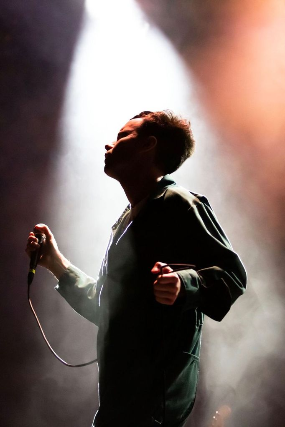
Andrew Sa
Andrew Sa
Contemporary Country
Actor and Vocalist Andrew Sa has earned the title of Chicago’s premiere queer country crooner. Sa’s career has always been rooted in songwriting that highlights his easy and elegant voice, but when he met mentor and pioneer Patrick Hagerty of Lavender Country, “Lonesome Andrew” was born. Diving headfirst into the catalogs of Elvis Presley, Roy Orbison, and other classic songwriters that defined his childhood, Sa easily slipped into this new but familiar persona. It wasn’t long before all of Chicago was seeking out his voice.
Sa quickly became the star of The Cosmic Country Showcase, an instant smash hit camp-country revue based out of the Hideout, a bar that has fostered many golden voices for decades. One of those legendary voices, Kelly Hogan (Mavis Staples, Neko Case), instantly recognized Sa’s abilities and quickly the two were booking gigs across the city as a duo. The young and talented Liam Kazar (Tweedy, Marrow) also recruited Sa for a duet on his debut album Due North. Sa also created a stunning film, Andrew in Anotherland, which was a celebration of Chicago’s many voices that accompanied a live revue at the prestigious public amphitheater Millennium Park. Audiences and fellow artists alike reveled in Sa’s intra-generational appeal that, while timeless, is rooted in a definitively young, queer perspective.