TICKET SALES TERMINATED
Tickets are currently unavailable on TicketWeb
Soda Bar Presents
Los YesterdaysThe McCharmlysSan Diego City Soul Club
Fri, 13 Feb, 9:00 PM PST
Doors open
8:00 PM PST
Music Box
1337 India Street, San Diego, CA 92101
TICKET SALES TERMINATED
Tickets are currently unavailable on TicketWeb
Description
THERE IS A DELIVERY DELAY IN PLACE FOR THIS SHOW. Tickets will be delivered to your inbox 48 hours in advance of the show.
Ticket Price: $15 Early Bird GA Standing / $20 GA Standing
Note: Tickets available at box office. Convenience service charges apply for online purchases.
TABLE RESERVATION: vip@musicboxsd.com / (619) 836-1847
PARKING: Street parking and paid lot parking available.
FOLLOW US: X | Instagram | facebook
Music Box Box Office: (619) 795-1337 | Boxoffice@musicboxsd.com | FAQ
BOX OFFICE HOURS Monday - Friday 11:00am - 5:00pm, as well as during show performances
Not on the e-mail list for announcements? CLICK HERE to become a Music Box Insider and you will never miss a chance to grab tickets before they go on sale to the general public again!
MUSIC BOX IS STANDING ROOM ONLY UNLESS OTHERWISE NOTED.
NO REFUNDS OR EXCHANGES ON TICKETS ONCE PURCHASED.
ALL TIMES AND SUPPORTING ACTS ARE SUBJECT TO CHANGE.
Event Information
Age Limit
18+
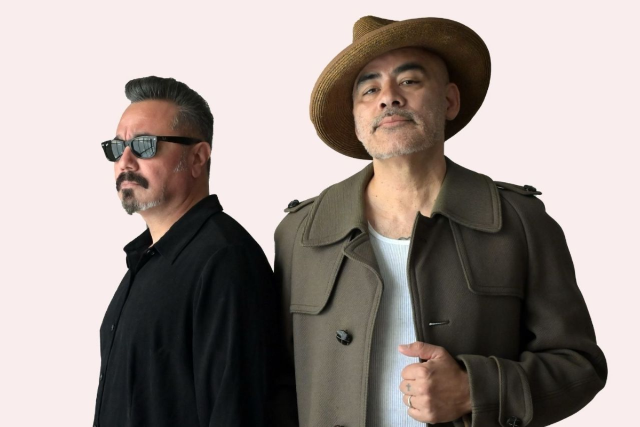
Brown-Eyed Soul
Los Yesterdays
Los Yesterdays
Brown-Eyed Soul
Los Yesterdays are a Chicano soul band from Los Angeles based around the creative collaboration between Gabriel Rowland and Victor Benavides. They began working together when Rowland - a drummer by trade, then creaky and exhausted from waking up at dawn to work construction - decided to channel those struggles into song. He contacted Benavides, a former bandmate of Rowland’s deceased brother, to record the soul ballads that Southland Chicanos call “oldies,” the best of Black American sweet soul music from the 60s, 70s and early 80s. The Chicano obsession with soul music began in the mid 1950s, when young Chicanos, many of whom were first-generation immigrants raised on their parents’ mariachi and norteño records, were searching for a music of their own. They began in the smog-spitting gas guzzlers and carpeted living rooms and shoe-melting playground blacktop of the 1970s.
“All my cousins in Compton were much older, and we'd listen to LPs in the garage while playing in the yard. Pops always had vinyl around the crib, generally bumping ‘60s and early ‘70s soul. He loved to drive and act out funny lyrics from The Coasters at us,” Rowland remembers. “Soul music was everywhere. At my grade school we could bring our own seven-inches to school, and this one girl not interested in playing would go through the stack during lunch. You'd keep an ear out for your group while playing tackle football on the pavement.”
For parents like those of Rowland, who was raised between South Central and East Los Angeles, and Benavides, reared by migrant workers in Selma, California, a dusty little farm town about 20 minutes south of Fresno, this period of soul (and funk and rock ‘n’ roll) spoke to their Americanized, romantic, and often violent lives in mixed-race barrios. Racist governance and ensuing socio-economic conditions put Mexicans and Blacks in direct proximity––and often conflict––with each other, and from this mixed-race Califas milieu came Chicano groups like Thee Midniters and Cannibal & the Headhunters, Black artists with massive Chicano followings like The Coasters and Brenton Wood, and hyper-influential radio hosts like Dick “Huggy Boy” Hugg (who was white) and Art Laboe (a first-generation Armenian-American, real name Artur Egnoian).
“Poor don't know culture or color. When you're poor, you live in the barrio or ghetto or whatever you want to call it,” Benavides says. “There's Blacks, Latinos, whites, Asians, whatever. That's what you can afford, so you live there. Eventually, you end up making friends because you need an extra player on a streetball team or whatever. You go to their houses and eat what they eat and listen to what they listen to. It's funny. I never thought about it but It's a cultural exchange program for poor people!”
“The gente fell in love with that romantic, sweet soul sound,” Rowland adds. “Since then it never left our cultura, it became a part of how we identify ourselves. The pride we take in our day-to-day hustle, our clothing, food, and cars somehow naturally merged with the pride our brothers and sisters took in that music. The African-American community is so inexhaustibly creative, they had to move on. But, somehow we felt it important to hold on to those blissful days cruising, eating, and dancing.”
It’s true that Black musicians moved on from the doe-eyed sweet soul typical of the ‘60s and early ‘70s, but so did young, Chicano artists––the demands of psychedelia and the Civil Rights Movement required a generation of long-hairs (or voluminous-hairs, in the case of afros) to eschew kissy-face ballads in favor of extended jams and self-empowerment anthems. Although the musicians who performed those lush, romantic hits moved on, affinity for that era of music has proved incredibly durable. The feelings that oldies inspire and were inspired by––love, heartbreak, yearning, jealousy, regret––the whole scope of being plum fucked up and out on your ass––are universal and cross-generational. On their formal debut, Frozen In Time, Los Yesterdays pay yearning, bleeding-heart homage to groups like Tejano brown-eyed soul legends Sunny & The Sunliners and the aforementioned Midniters, a group of East Los Angeles teens whose frequently genre-agnostic work added a Chicano lilt to Black art. Like compas Thee Sacred Souls and Thee Sinseers, theirs is a new-old music.
“I do find the music to be immersed in the past,” Rowland admits. “The musicians [of the past] could really play, and the writers could truly compose beautiful pieces…The Beatles and the rest of non-Black writers were constantly biting from this fruitful tree, as we continue to do ourselves.”
On songs like “Loves Is A Game For Fools” and surprise TikTok hit “Nobody’s Clown,” Los Yesterdays filter love-struck R&B crooning through guitar-strumming Mexican balladeering; the result is something that sounds like the Los Angeles of yesterday and today––the indelible, immovable Los Angeles of cruising Whittier Boulevard, of cold drinks on the porch on blazing summer nights, of watching a blue-orange toxic sunset and wondering if they are thinking about you. Los Angeles changes; Los Angeles stays the same. Los Yesterdays have changed, outgrown their childhood barrios and the bands of their early 20s and their private garage hermitude; Los Yesterdays are Frozen In Time.
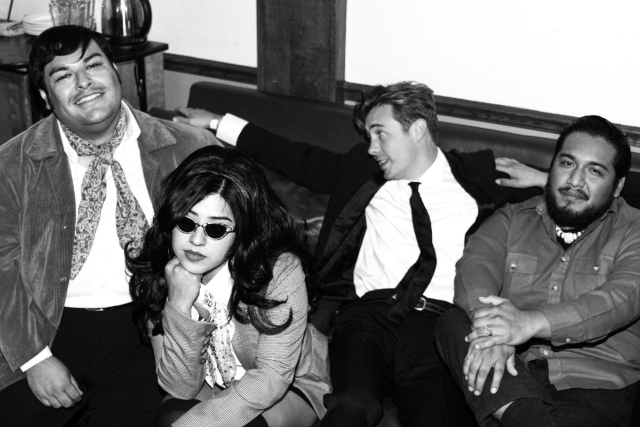
Retro Revival
The McCharmlys
The McCharmlys
Retro Revival
From Santa Ana, CA, THE MCCHARMLYS are turning heads and stealing hearts with their explosive blend of doo-wop, surf, and ‘60s-style rock ‘n’ roll.
Blending vintage vibes with modern edge, they’ve won over punk, new wave, and rockabilly crowds alike.Their coast-to-coast performances have lit up stages alongside icons like The Animals, Trish Toledo, The Delta Bombers, Los Yesterdays, and more—proving THE MCCHARMLYS are not just a throwback, but a force reshaping the future of vintage-inspired rock.

Dance
San Diego City Soul Club
San Diego City Soul Club
Dance