TICKET SALES TERMINATED
Tickets are currently unavailable on TicketWeb
Follow us on Instagram @tractortavern
KEXP Presents: Tré Burt TRAFFIC FICTION Tour w/ Skyway Man
Wed, 31 Jan, 8:00 PM PST
Doors open
7:00 PM PST
Tractor
5213 Ballard Avenue NW, Seattle, WA 98107
TICKET SALES TERMINATED
Tickets are currently unavailable on TicketWeb
Description
e of it to tape. The soul that animates so many of these 14 tracks? That was themusic shared bygrandfatherand grandson.Burt’s California childhood was not easy. His parents split when he was young, so he wouldoften shuttle between their houses in Sacramento and the Bay Area. He was a bit of a wild child,too. From time to time, though, he would accompany his father to work at a plant nursery, ridingshotgun in a 1975 Cadillac Seville as they listened to The Delfonics and Otis Redding, MarvinGaye and The Temptations. Those drives were his sanctuary, that music their blessed score.But as Burt became a musician himself, he was a peripatetic troubadour, tapping into Americanfolk and blues partly as a matter of necessity—it’s not sensible to busk, after all, with somesophisticated band at your back. Bits of those other roots and compositional ambitions finallyemerged on2021’sYou, Yeah, You, the vivid result of Burt’s first proper studio sessions. OnTraffic Fiction, they are in full bloom, from the sweet country-soul surrealism of the title track tothe skywriting rock of“2For Tha Show,”Burt as urgentand commanding as he’s ever been.Traffic Fictionis the sound of Burt confidently bending a sentimental past to his present will. To get to this new alchemy of soul, dub, and more than a little punk, Burt returned to thebasics—self-recording in sequestered silence. During a Canadian tour, he set aside a few days tostay in a friend’s spare apartment and write, renting enough instruments from the affordable gearemporium Long & McQuade to build a makeshift studio for his GarageBand demos. The titletracksoon emerged, its effortless magnetism prompted by a poem he’d written about stupid citycongestion and a piece by saxophonist and singer Gary Bartz.
Event Information
Age Limit
21+
Alternative
Tickets Available at Door
Tickets Available at Door
Alternative
So you missed out on advanced tickets? No sweat. We have some available at the door! Get here early to make sure you get in!!
Country
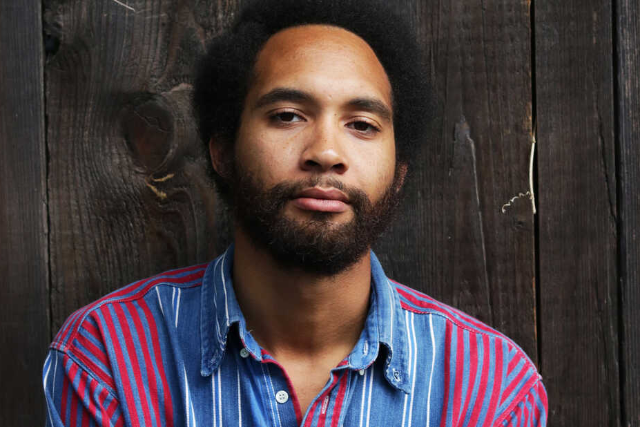
Tre Burt
Tre Burt
Country
Tré Burt was standing on a stage in Philadelphia in early 2023 when the latest bit of bad news arrived: His grandfather, a native of that very city, was dead. It wasn’t entirely unexpected. For years, Tommy Burt had struggled with early-onset dementia, slipping away a bit more each time Burt saw him. Burt even began recording his grandfather, letting his tape recorder roll as they had some of their final conversations. He wanted to preserve those moments, however repetitious or fragmented they might be, before the opportunity vanished forever. In fact, Traffic Fiction—Burt’s third album on Oh Boy Records and an unexpected musical reinvention rooted in his new and idiosyncratic version of classic soul—also preserves their relationship by committing another key piece of it to tape. The soul that animates so many of these 14 tracks? That was the music shared by grandfather and grandson.
Burt’s California childhood was not easy. His parents split when he was young, so he would often shuttle between their houses in Sacramento and the Bay Area. He was a bit of a wild child, too. From time to time, though, he would accompany his father to work at a plant nursery, riding shotgun in a 1975 Cadillac Seville as they listened to The Delfonics and Otis Redding, Marvin Gaye and The Temptations. Those drives were his sanctuary, that music their blessed score.
But as Burt became a musician himself, he was a peripatetic troubadour, tapping into American folk and blues partly as a matter of necessity—it’s not sensible to busk, after all, with some sophisticated band at your back. Bits of those other roots and compositional ambitions finally emerged on 2021’s You, Yeah, You, the vivid result of Burt’s first proper studio sessions. On Traffic Fiction, they are in full bloom, from the sweet country-soul surrealism of the title track to the skywriting rock of “2 For Tha Show,” Burt as urgent and commanding as he’s ever been. Traffic Fiction is the sound of Burt confidently bending a sentimental past to his present will.
To get to this new alchemy of soul, dub, and more than a little punk, Burt returned to the basics—self-recording in sequestered silence. During a Canadian tour, he set aside a few days to stay in a friend’s spare apartment and write, renting enough instruments from the affordable gear emporium Long & McQuade to build a makeshift studio for his GarageBand demos. The title track soon emerged, its effortless magnetism prompted by a poem he’d written about stupid city congestion and a piece by saxophonist and singer Gary Bartz.
Burt recognized he had found the sound of the next album, so he booked another rural cabin in Canada for 9 days and rented more guitars, basses, and the same keyboard he’d bought during the You, Yeah, You sessions. For the better part of a lifetime, Burt had told himself he didn’t have the chops to sing like those childhood heroes from the Cadillac days. But now, as he built his one-man-band demos before returning to Nashville’s The Bomb Shelter to work with a trusted band of pals and esteemed producer Andrija Tokic, his versions of those sounds poured out in circumspect love songs and joyous tunes of existential reckoning. His grandfather was dying. The world was struggling with a pandemic and the specter of a third world war. But Burt gave himself permission to have fun and be funny, to let these songs lift him and, eventually, maybe others, too.
Traffic Fiction indeed feels like a buoy amid these turbulent times, something that pulls us above the wreckage. The love-or-something-like-it songs are crucial. With its rocksteady motion, rainbow keys, and slippery riff, “Wings for a Butterfly” is Burt’s honeyed plea to at least try a relationship out. Like The Beatles rebottled in Muscle Shoals, the brilliant “To Be a River” crescendos in a litany of all the things Burt knows he can be for someone—“your favorite word, a letter you read.” It is pure infatuation.
Even ostensible breakup songs luxuriate in the wonder of existence. “Santiago” recounts an overseas tryst that ended too soon, Burt jubilantly narrating moments of mirth and lust over go-go keyboards and a beat so simple and propulsive The Ramones would have loved it. And during “Piece of Me,” Burt turns the sting of ending it into an anthem of wishful thinking alongside sashaying organs and rail-grinding guitar. Maybe one more chance is all he needs? “You like me better when I’m in pain,” he sings slyly. “Well, baby, just look at me now.” Amid these warped jewels of psychedelic soul, you’ll find yourself pulling for Burt, hoping the world can come to its senses on his behalf.
Burt first earned notice for his imaginative and trenchant social protest songs, where he’d capture some corrosive element of American life—unchecked capitalism, unwavering racism, so on—in a compelling snapshot. Traffic Fiction isn’t that kind of album, necessarily, though his defiance hasn’t disappeared. Referencing his ancestral homeland of Promised Land, South Carolina, “All Things Right” scorns apathy and bureaucracy, the way we strand each other via our own pursuits. “I’ll never be free/but I can pretend,” he snaps with verve during the verse of “Kids in the Yard,” a mighty theme of self-empowerment. Burt finds the joy even here, pushing past problems rather than succumbing to obstacles.
And isn’t that a crucial role of music, especially now—to show us how to handle our burdens with aplomb and vision, to model the behavior of persevering with élan? At three points during Traffic Fiction, Burt interweaves bits of those recorded conversations with his late grandfather, Tommy. They talk about Stevie Wonder, Burt’s career and the fatigue it can bring, and, finally, the sense that he’s carrying on a family tradition through these records. It’s a reminder not only of what Burt experienced while making Traffic Fiction but also of what he overcame. He found strength in the soul of his youth, and, for that, he’s never sounded stronger.
Psychedelic
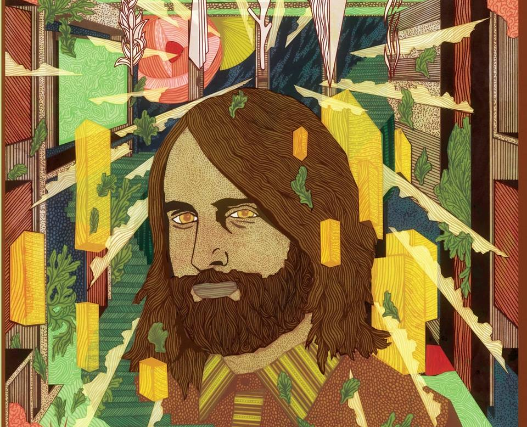
Skyway Man
Skyway Man
Psychedelic
For the last decade, James Wallace & the Naked Light recorded and released music from the fringes of Music City USA, touring all over with a singular vision and purpose. All the while, James Wallace’s name figured in as a trusted companion to a few scenes in particular: the Spacebomb sound coming out of his hometown Richmond, Virginia alongside old friends Natalie Prass and Matthew E. White; inside the new Nashville “underground:” where his bands’ magnetic performance listed them as a favorite among Alabama Shakes' Brittany Howard; producing records, occasionally filling in on keys with cult-treasured Promised Land Sound; and roaming with the Oakland collective of songwriters centered around a converted school bus who travel under the banner “Splendor All Around.” But now the name is Skyway Man. Solo tours in Japan and China, a new batch of songs intertwined with his fascination with UFO religion, signaled a shift in direction. His inner mercury nudged him toward a new role, and the name Skyway Man rose to the surface again and again. Was it the trickster of mythology, the soul of some eternally missing astronaut, or the old singing storyteller trying to get through?
Wallace possesses a knack for getting caught up in outlandish events - discovering a trove of mysterious letters written by a Ufologist to a woman, describing the New Jerusalem and the 4th dimension, or months spent playing Mahjong in a smokey trailer behind Opryland, working as a Mandarin interpreter for Chinese Ice carvers in Nashville. This knack also extends to orchestrating outlandish events, getting interesting people on board in his endeavors–sweet-talking the flow of life into altering its course. Time for a new name and new record. Seen Comin' From a Mighty Eye is a dense undertaking, recorded in different locations, simmering influences, channeling all the correct energies, paying the people and spirits who need to be paid, finishing the work the right way over the slow course of time. He recorded the last Naked Light record in Matthew E. White’s attic, and returned to that revered spot to track this new psych opera about strange futures, haunted pasts, and the Mighty Eye in the sky. Spacebomb house bassist and composer Cameron Ralston provided the horn arrangements and Spacebomb house drummer Pinson Chanselle sat at the kit. Wallace sang, compiled and mixed back in Nashville. It’s the usual stew of B-movie scifi, cosmic American boogie, psychedelic folk and it’s apocalyptically good, focused and potent, an immersive fully realized song cycle and visionary sonic structure.
From his modest rancher in Bordeaux on the Cumberland River, the lights of downtown Nashville are visible at night, shining sweetly or casting a lurid glow depending on atmospheric conditions and the viewer’s mood. Music City is changing fast, but James Wallace is invested in its community and spirit–the true believers, auteur session aces and acid cowboys and cowgirls who need each other to survive the sweltering industrial music machine. Skyway Man transcends this landscape, tapping into an older, more spiritual commerce. Seen Comin' From a Mighty Eye offers the kind of music you would want on the radio for a first or last kiss, the incidental music from some forgotten Spielberg adventure, a soundtrack for the later (not quite latter) days of earth. If lightning strikes and the car radio explodes, it might just be part of the track. Music for driving along the skyway, and thank god the skyway is made of music anyway.