TICKET SALES TERMINATED
Tickets are currently unavailable on TicketWeb

Follow us on Instagram @tractortavern
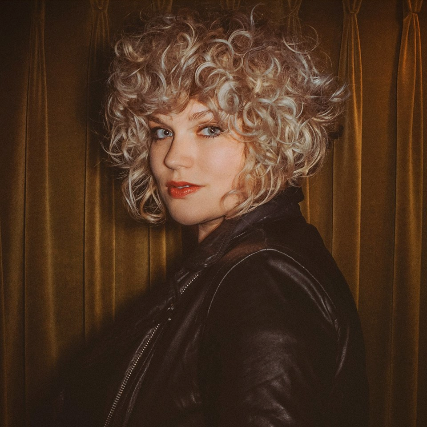
KEXP Presents: Dale Watson and his Lone Stars w/ Lauren Morrow
Thu, 24 Aug, 8:00 PM PDT
Doors open
7:00 PM PDT
Tractor
5213 Ballard Avenue NW, Seattle, WA 98107
TICKET SALES TERMINATED
Tickets are currently unavailable on TicketWeb
Description
Dale Watson, keeper of the true country music flame, latest album Call Me Insane, was recorded in Austin with veteran producer Lloyd Maines (Robert Earl Keen, Jerry Jeff Walker, etc.). The Austin-based honky-tonker carries on in the tradition of Johnny Cash, Waylon Jennings and Willie Nelson with his “Ameripolitan” brand of American roots music.
Album highlights include “Jonesin’ For Jones,” a love song to the music of the legendary George Jones, “A Day At A Time,” about “getting by by barely getting by;” “Call Me Insane,” the album’s moody title track; “Bug Ya For Love,” a fun warning to all the single ladies, and “Mamas Don’t Let Your Cowboys Grow Up To Be Babies.” (Yes, it is an answer song to the Waylon Jennings/Willie Nelson hit.) “Crocodile Tears” is a tear-in-your-beer country song that sounds like an instant classic and “Burden Of The Cross” reveals Watson’s serious side.
“Having known Lloyd over 20 years and worked with him as a musician, I knew he was a great guy and picker," Watson says. "But having Lloyd produce your record is like letting your mom in your kitchen. You know you’re gonna like what comes out and it's amazing how such basic ingredients can be made even better. He is an artists' artist.
The admiration is mutual. "I've been a Dale Watson fan since I played steel guitar on some of his early records," Maines says of the sessions. "My early musical influences are the same as Dale's. We both grew up playing real country music. Dale is one of a very short list of today's artists who still keeps it real country. I'm honored that he asked me to produce his new record. I think he knew that I would maintain the integrity of his passion for the music."
Dubbed "the silver pompadoured, baritone beltin', Lone Star beer drinkin', honky-tonk hellraiser" by The Austin Chronicle, Watson sat in with Jimmy Kimmel’s house band as a guest on Jimmy Kimmel Live (ABC) from SXSW 2015. He also emceed the first ever SXSW “Ameripolitan” showcase featuring the best of Honky-tonk, Outlaw Country, Rockabilly and Texas Swing music.
Event Information
Age Limit
21+
Alternative
Tickets Available at Door
Tickets Available at Door
Alternative
So you missed out on advanced tickets? No sweat. We have some available at the door! Get here early to make sure you get in!!
Music
Dale Watson
Dale Watson
Music
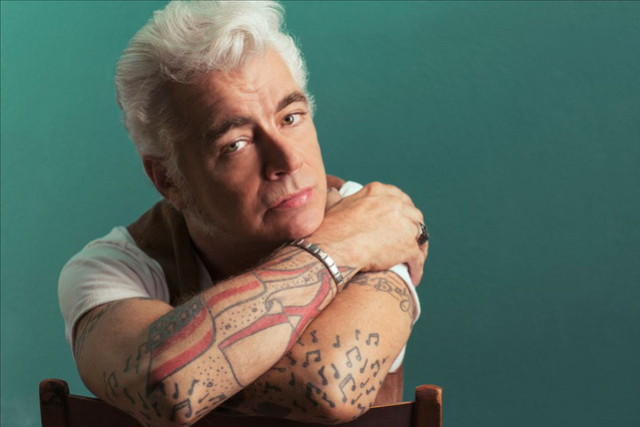
A staunch adherent of old-style honky tonk and Bakersfield country, Dale Watson has positioned himself as a tattooed, stubbornly independent outsider only interested in recording authentic country music. His 1995 debut, Cheatin' Heart Attack, wowed writers and fans with its potent songwriting and authentic honky tonk vibe, 1998's The Truckin' Sessions was the first of a series of LPs devoted to his love of big rigs, 2007's The Little Darlin' Sessions saw Watson recording alongside some of the legendary session musicians who inspired him, and 2019's Call Me Lucky found him creatively revitalized after relocating to Memphis, Tennessee. Watson continued to thrive in Memphis, delivering the instrumental record Dale Watson Presents: The Memphians in 2021 and the covers album Jukebox Fury in 2022.
Watson was born in Alabama in 1962 but spent his teenage years near Houston, and he grew to think of Texas as his true home state. His father and brother were both musically inclined, and he began writing his own songs at age 12, making his first recording two years later. After graduating from high school, he spent seven years playing local clubs and honky tonks. He moved to Los Angeles in 1988 on the advice of Rose Flores and soon joined the house band at North Hollywood's now-legendary alt-country venue the Palomino Club. He recorded two singles for Curb in 1990, "One Tear at a Time" and "You Pour It On," and appeared on the third volume of the compilation series A Town South of Bakersfield in 1992. Not long afterward, he moved to Nashville and spent some time writing songs for the Gary Morris publishing company.
Watson didn't find commercial country much to his taste, and he relocated to the more progressive-minded scene in Austin, Texas, where he formed a backing band called the Lone Stars. He scored a deal with Hightone Records and released his debut album, Cheatin' Heart Attack, in 1995. It was greeted with enormous acclaim for the vitality Watson brought to his vintage-style material and performances and also featured a witty dig at mainstream country in "Nashville Rash." Follow-up Blessed or Damned appeared in 1996 and continued in a similar vein, as did 1997's I Hate These Songs. His next release, The Truckin' Sessions, appeared on Koch in 1998 and was devoted entirely to that distinct country subgenre of truck-driving songs.
Unfortunately, that album was almost his last. In 2000, Watson's fiancée was killed in an automobile accident; devastated, he attempted to drown his sorrows in booze and drugs and nearly died of an overdose shortly after Christmas. He wound up checking himself into a mental institution to recover and re-emerged later in 2001 with the deeply sorrowful tribute Every Song I Write Is for You, which appeared on Audium, Koch'sAnew country imprint. A couple of lower-key releases followed, the holiday album Christmas in Texas (2001) and Live in London, England (2002). In 2004, with his heart still on his sleeve but possessing a thicker skin, Watson released Dreamland.
Watson was inducted into the Austin Music Hall of Fame in 2005, but took a break from music for most of the year, moving to Maryland in order to spend more time with his daughters. He was back playing gigs in Austin by 2006, and a documentary on Watson, Crazy Again, premiered at SXSW that year. Directed by Zalman King (who at one time hoped to star Watson in a drama about country music that was never produced), the film charted Watson's mental breakdown following the death of his fiancée.