TICKET SALES TERMINATED
Tickets are currently unavailable on TicketWeb
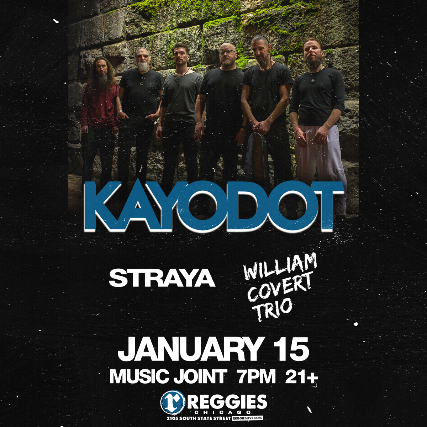
Kayo DotStrayaWilliam Covert Trio
Thu, 15 Jan, 8:00 PM CST
Doors open
7:00 PM CST
Reggies Music Joint
2105 South State Street, Chicago, IL 60616
TICKET SALES TERMINATED
Tickets are currently unavailable on TicketWeb
Event Information
Age Limit
All Ages
Alternative Rock
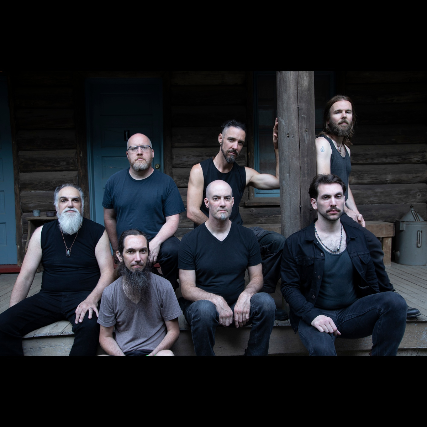
Kayo Dot
Kayo Dot
Alternative Rock
Kayo Dot has spent over two decades reinventing the boundaries of experimental music. Led by composer Toby Driver, the group has released eleven albums spanning chamber-metal, spectral jazz, gothic synthscapes, and uncategorizable sounds that critics call vital to the underground canon. Their latest release, Every Rock, Every Half-Truth Under Reason (2025), pushes this legacy further with custom microtonal instruments, expansive structures, and Jason Byron’s imagistic texts. Critics describe it as “a bad-time album, masterfully composed” (Treble) and “perhaps the purest representation of Kayo Dot’s unpredictable spirit” (Toilet Ov Hell). On stage, Kayo Dot’s shows are famously transformative, reshaping songs into new forms each night. With a reputation for both intensity and imagination, the band continues to attract listeners across genres from avant-garde composers to black metal devotees all drawn into its singular world of memory, loss, and invention.
Post Punk
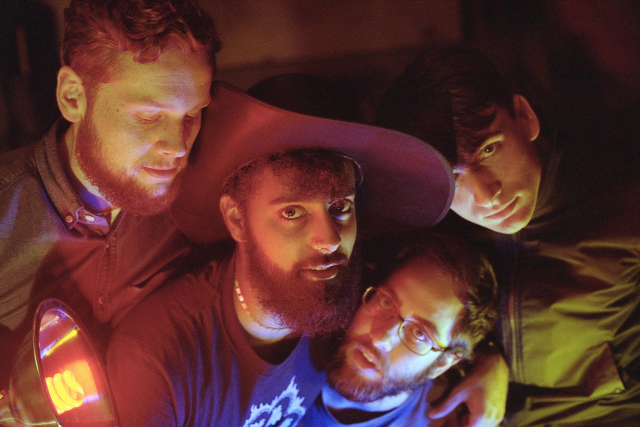
Straya
Straya
Post Punk
Straya’s new album, Sobereyed, is a 57-minute work that represents two years of writing and growth. One might be inclined to label it progressive rock, “experimental,” or even post-metal—but it’s more apt to describe the contents: There are bursts of black metal and abrupt cornet solos; abrasive synthesizers and a 28-guitar choir; extended ambient and death metal sections; expressionistic aphorisms at a near whisper and confessional, blistering screams. Careful arrangements and meditative pace permeate the compositions, reflecting the Minneapolis group’s tendency to pull from disparate influences. The track “Tongue Is Nothing,” for example, is an emulation of Gaelic psalm singing, while “Made Lighter” was conceived as a nod to Brian Eno.
Sobereyed is the second full-length from Straya. It marks a major stylistic shift from 2015’s Healthy Steps, which spawned multiple tours and was a Star Tribune critics’ choice for the year. After two years of crafting Sobereyed, Straya is back with its best work to date and first release with Los Angeles-based label Chain Letter Collective.
Jazz-Rock
William Covert Trio
William Covert Trio
Jazz-Rock
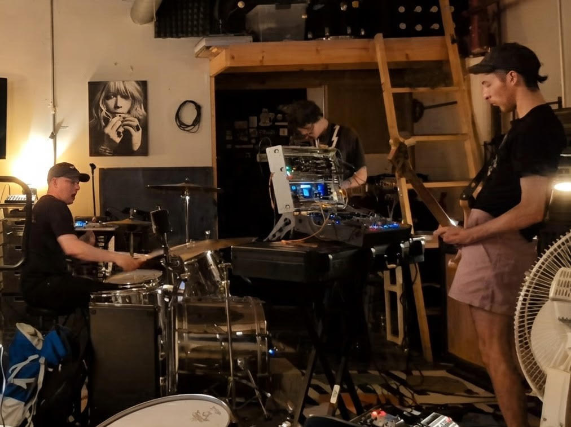
William Covert has been immersed in Chicago's experimental music scene for over 15+ years, playing drums in math rock, post-rock, and post-hardcore punk bands such as Space Blood, Droughts, The Eradicator, Rust Ring, Wet Tropics, and Tum. Heavily influenced by the innovative and forward-thinking experimental rock and jazz underground communities rooted in Chicago since the 80's, Covert started experimenting with combining live-looped synths with acoustic and electronic drums resulting in a solo project venture of the past several years. Inspired by the raw energy and dazzling technicality of bands like Don Caballero, Zombi, and the Mahavishnu Orchestra as well as the cinematic compositional prowess of John Carpenter and John Zorn, Covert began recording and performing full-band post-rock synth and drums pieces as an experimental solo artist.
With the release of Covert's 3rd solo album, Dream Vessel, released on October 17th, he has taken the music in a more avant-garde rock direction with the addition of Jack McKevitt on guitar, and Nathan Schenck on bass along with Covert on drums for half of the tracks on the album as an expanded William Covert Trio. The tracks on Dream Vessel featuring the trio lean heavily into improvised minimalist noise-jazz incorporating elements of slowcore, noise rock, and free jazz.