Follow us on Instagram @tractortavern
Joshua Burnside w/ Arthur James
Fri, 16 Oct, 8:00 PM PDT
Doors open
7:30 PM PDT
Tractor
5213 Ballard Avenue NW, Seattle, WA 98107
Event Information
Age Limit
21+
Alternative Folk
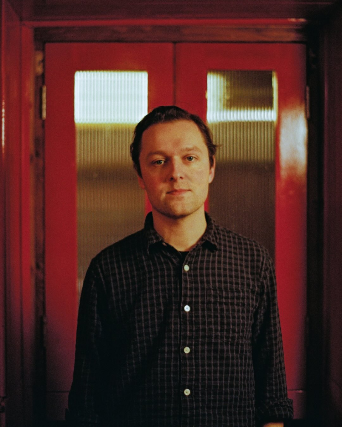
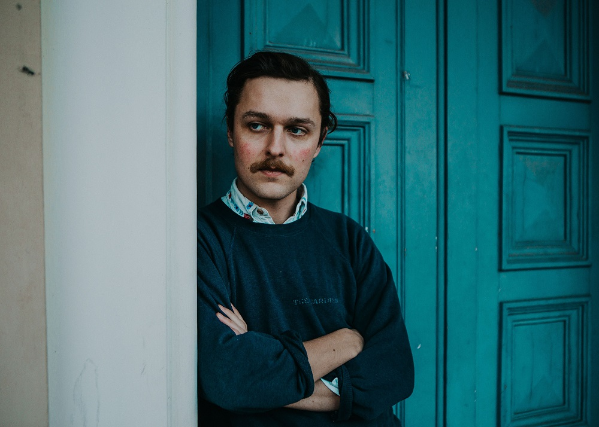
Joshua Burnside
Joshua Burnside
Alternative Folk
Northern Irish experimental folk songwriter and producer Joshua Burnside is something of a regional anomaly. With a brooding, powerful sound echoing artists of places afar and time long gone, his enthralling craft defies local comparison in striving towards an aesthetic as much as visual as it is sonic. Balanced with a diverse palette of sounds, Burnside deftly blends alt-folk and elements of the Irish folk song tradition with South American rhythms and Eastern European influences, whilst introducing synthetic and found-sounds, synths loops and crunching beats to create a stormy world that shifts and swirls perspective like a lingering lucid dream.
Northern Irish experimental folk songwriter and producer Joshua Burnside is something of a regional anomaly. With a brooding, powerful sound echoing artists of places afar and time long gone, his enthralling craft defies local comparison in striving towards an aesthetic as much as visual as it is sonic. Balanced with a diverse palette of sounds, Burnside deftly blends alt-folk and elements of the Irish folk song tradition with South American rhythms and Eastern European influences, whilst introducing synthetic and found-sounds, synths loops and crunching beats to create a stormy world that shifts and swirls perspective like a lingering lucid dream.
Alternative Rock
Arthur James
Arthur James
Alternative Rock
Born in Riverside, California, the oldest child in a military family, Arthur James has been traveling all his life. His songs are landmarks of his journey that paint vivid landscapes of the many thousands of miles he’s seen in a struggle to find the meaning of ‘home’.
Music was always a means of escape and release. “Growing up all over - all over the world - I needed a place to put things. I needed a place to go to. A place that was familiar to me. Some place safe, you know? So, I started writing songs and living inside them.”
His lyricism lends to his patience and attention to the substance of every song, with nods to his influences, Gregory Alan Isakov, David Bazan, Justin Vernon, Matt Skiba and John K. Samson. His writing has been described as “complex and intelligently constructed.”
Arthur played all over the upper-midwest and fronted 5 different bands, living between Minot, ND and Minneapolis, MN from 2000-2012.
After moving to Washington in 2012, he played all over the greater Seattle area.
When he's not on the road or writing, he’s reading about quantum physics, black holes and other curious subjects. “I’m into autodidactism; I’ve always loved science and math and physics, so I find books or documentaries on that stuff and feed my head. It’s fascinating and I feel that it gives you the ultimate perspective. We’re just so bloody small.”
His new EP, The 4th Floor, was recorded in his home in West Seattle using very little instrumentation. “I’ve grown to really appreciate the sound of a room when music is being played in it. Like the little things that happen on the fretboard of a guitar when fingers move over it. I wanted people to hear those things. I wanted people to hear a real voice and real fingers, singing and playing those songs. Like the songs were being performed right next to you.”
The idea behind the EP is something that’s very important to him.
“This EP was written using other people’s stories. It's a selection of songs from a plethora I wrote about things that happened to other people. I canvassed social media, requesting stories from everyone I knew. Some people gave me their journals, other stories were left on a voicemail. The purpose was to shine a light on the relationship between artist and audience. It's intrinsic. But, like, there’s a dynamic there that got lost on everyone. So, I played audience to people's stories, then turned what I heard into a songs. Recording these songs and letting those people hear their stories through my music was, you know, an effort to show people what that process looks like. That interaction. That transaction, even.”