TICKET SALES TERMINATED
Tickets are currently unavailable on TicketWeb
In The Row with Ben Danaher, Sadie Campbell, Marti Dodson & Ross Cooper
Tue, 20 Feb, 6:00 PM CST
Doors open
5:00 PM CST
The Bluebird Cafe
4104 Hillsboro Pike, Nashville, TN 37215
TICKET SALES TERMINATED
Tickets are currently unavailable on TicketWeb
Description
THIS IS A PREPAID SHOW, REFUNDS ARE NOT AVAILABLE.
There are 18 tables, 8 bar seats and 8 church pew seats available for reservation. The remaining pew seats for this show are not reserved in advance. These seats are available on a first come/first served basis when doors open.
Ticket reservations at The Bluebird Cafe are an agreement to pay the non-refundable cover charge and applicable taxes/fees and to meet the $10.00 per seat food and/or drink minimum.
Note: When making reservations, choose the table you would like and then add the number of seats you need to your cart by using the + button. You are NOT reserving an entire table if you choose 1 (by choosing 1, you are reserving 1 seat). We reserve ALL seats at each table. If you are a smaller party at a larger table, you will be seated with guests outside your party.
Event Information
Age Limit
All Ages
Refund Policy
Ticket holders may cancel their reservation for a full refund of the ticket price and applicable tax (excluding ticketing fees) if the cancellation is made at least 48 hours before the scheduled showtime. Cancellations made within 48 hours of the show are non-refundable. To cancel, please email info@bluebirdcafe.com or call 615-383-1461.
Folk Rock
Ben Danaher
Ben Danaher
Folk Rock
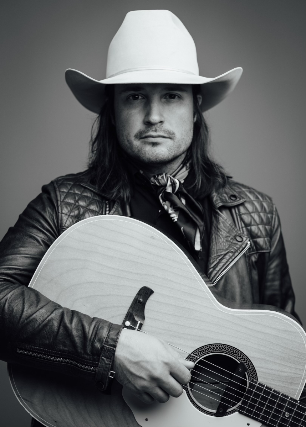
“You can hurt and still feel lucky,” Ben Danaher sings on the title track of his deeply personal debut album, ‘Still Feel Lucky.’ Coming from any other songwriter, it might sound like a simple platitude, but in Danaher’s hands, it’s something far more profound, a moment of true enlightenment in the face of unimaginable tragedy. Years of pain are wrapped up in his delivery, but still he commits to the hope and the beauty inherent in the darkness. It’s a monumental task, but one the Huffman, Texas native handles with a tenacious grace on an album that, despite being born in the fires of struggle and loss, manages to forge its own path toward peace, growth, and even joy.
Drawing on the influence of legendary troubadours like Guy Clark, Rodney Crowell, and Townes Van Zandt, Danaher first made a name for himself as a songwriter in Texas before relocating to Nashville. Along the way, he shared bills with Ray Wylie Hubbard, Jack Ingram, Angaleena Presley, Rhett Miller, Travis Meadows, and Amanda Shires, in addition to co-writing songs for Ryan Beaver, Bonnie Bishop, Rob Baird, and Justin Halpin among others. For his own songs, Danaher collaborated with some of Nashville fastest-rising stars, including Maren Morris, on material that blended classic country tradition with modern rock and roll sensibilities.
Indie Pop
Sadie Campbell
Sadie Campbell
Indie Pop
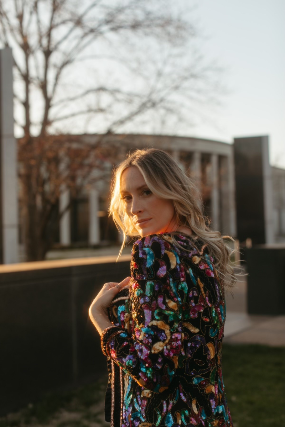
Campbell’s blend of Americana pulls from a variety of influences, namely an eclectic mix of female artists of the 1990s, from Lauryn Hill to Alanis Morisette. “Strong women in the music industry have always inspired me,” says Campbell who cites Sheryl Crow and Brandi Carlile as prime examples. “Strong women that just went out and kept making art—they weren’t waiting for anything and they’re not stopping for anyone. They are my influences.”
Campbell grew up in Pritchard, BC, a town so small she says it consists of just one general store. There, she sang in the church choir before taking off for the open-mic scene in Vancouver, ultimately dropping everything to try her luck in Music City, USA. Years of couch-surfing turned to a home in Nashville where Campbell found full-time work performing in the city’s bustling honky-tonks. No stranger to odd-jobs, she has worked as a mail carrier and karaoke host, and has serviced airplanes and flagged logging roads on ATVS in Canada. “In the music business, you just have to roll with it all the time,” she says.
Rolling with it is a theme for Campbell these days. Campbell wrote Darkroom about her own mental health struggle in 2020, when isolation and uncertainty gave way to despair and, eventually, healing. The first track “Fade,” Campbell says, is “about being in that depression and knowing it, and not being able to necessarily control it, but knowing it will pass—you have to ride it out sometimes.” Slick guitar and a steady beat add an uplifting groove while Campbell contemplates, “Am I just scared to go to sleep cause I’m tired of the dreams?” The lyrics are searingly honest; the chorus drops an upbeat hook that refuses to wallow.
“Aftermath” is about being stuck in the “limbo phase,” or, as Campbell says, in “any situation where you know something is wrong, but you don't know how to make the change—a struggle with yourself, for yourself.” The song captures the paralysis that can accompany a desperate need for a change not yet defined. Over bluesy electric guitar, Campbell sings, “I’m empty, I’ve run out, given every piece of me trying to save this family.” The strength of the melody adds a pinch of pop to a soulful, edgy voice drained from giving too much to other people. “I’m tired of choosing everyone but me,” Campbell sings, “I'm fighting for my life. I want to take it back.”
By the third and final track, “Euphoria,” Campbell sings of finally seeing some light at the end of a long tunnel. “It’s about being ready to get out of the dark, being able to imagine my own happiness.” The track’s conception coincided with announcement of COVID-19 vaccines, reopening announcements, and the long-awaited beginning of the end—of the pandemic, and a dark psychological spell for Campbell. It is about faking it till you make it. It is the little bit of hope felt “when you close your eyes and imagine you are happier than you are,” says Campbell, “to see happiness as a fantasy you’ll get back to one day.”
For Campbell, returning to the fantasy came with the help of therapy, a puppy, and the catharsis of turning suffering into art. She wrote and recorded the vocals and acoustic guitar in her apartment, and sent the demos to Stuart Cameron and Peter Fusco in Toronto. The trio collaborated remotely, adding just enough guitar, drums, and background vocals to build on Campbell’s cuts. “We weren’t in a studio with a green light or anything. We just let inspiration flow,” Campbell says of the process behind the raw sound.
Now, she is ready to get back to performing and to resume her life as a working artist, with a newfound patience with herself and understanding of her own mind, struggles, and joy.
“There’s no escaping the highs and lows and I just hope that people will get some sort of support knowing that we're not alone when we’re in those lows—that it’s a normal thing. Having low days or low times in your life doesn't make you broken or anything—that’s just a Sunday,” says Campbell, “Depression can be a normal thing, you know. I think we should be talking about that more.” With Darkroom, Campbell shines a light on depression, all the while illuminating her incredible talent as a singer and songwriter.
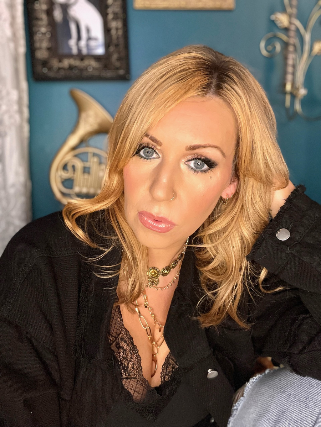
Singer-Songwriter
Marti Dodson
Marti Dodson
Singer-Songwriter
What started out as simply a campfire song between strangers soon turned into a musical connection in the form of the Columbus, OH-based alternative pop/rock group Saving Jane. It was at this bonfire that vocalist Marti Dodson (then a junior at Ohio State University) and rhythm guitarist Pat Buzzard first met and subsequently became friends. The pair began writing songs together and when the time came to record their work, local drummer Dak Goodman was recruited to help. The trio found something in each other, and the decision was made to form an actual band. Booking their first show, they took the name Saving Jane from a cartoon Dodson had been doodling one late night at the studio. As the band slowly began making a name for itself around Columbus, an additional lead guitarist, Kris Misevski, and a borrowed bass player from Goodman's cover band rounded out the group. About a year later, tensions within the band lead to the departure of their borrowed bassist, and Jeremy Martin replaced him in 2002.
Two years later, as Saving Jane found their style shifting more from acoustic roots to alternative rock, their manager insisted that Dodson's be emphasized over the rest of the band; these changes eventually led to the exit of their lead guitarist. Mike Unger filled in the guitar gap, while keyboardist Joe Cochran completed the lineup later on. Saving Jane's full-length debut, Girl Next Door, was issued in October 2005 on Toucan Cove, and the title track found the band making their debut on the Billboard charts. Next signing to Universal, the band recorded a few additional tracks for an April 2006 re-release of their debut album on Republic/Universal. The early months of 2006 also saw guitarist Unger stepping down from the band for personal reasons; Brandon Hagan joined on in his place. Marti signed to BMG in 2014, and has since written songs for Kira Isabella, Thompson Square, and many more.