TICKET SALES TERMINATED
Tickets are currently unavailable on TicketWeb
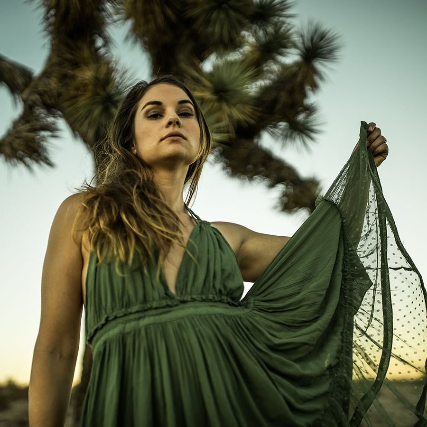
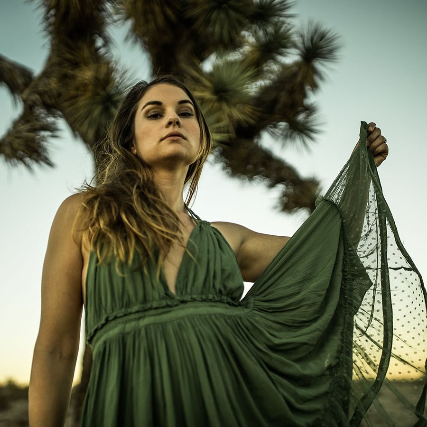
In The Row with Audrey Spillman, Neilson Hubbard & Matthew Perryman Jones
Fri, 2 Sep, 6:00 PM CDT
Doors open
5:00 PM CDT
The Bluebird Cafe
4104 Hillsboro Pike, Nashville, TN 37215
TICKET SALES TERMINATED
Tickets are currently unavailable on TicketWeb
Description
THIS IS A PREPAID SHOW, REFUNDS ARE NOT AVAILABLE
There are 18 tables, 8 bar seats and 8 church pew seats available for reservation. The remaining pew seats for this show are not reserved in advance. These seats are available on a first come/first served basis when doors open. Please note that you may be seated with persons outside of your party.
Event Information
Age Limit
All Ages
Refund Policy
Ticket holders may cancel their reservation for a full refund of the ticket price and applicable tax (excluding ticketing fees) if the cancellation is made at least 48 hours before the scheduled showtime. Cancellations made within 48 hours of the show are non-refundable. To cancel, please email info@bluebirdcafe.com or call 615-383-1461.
Americana
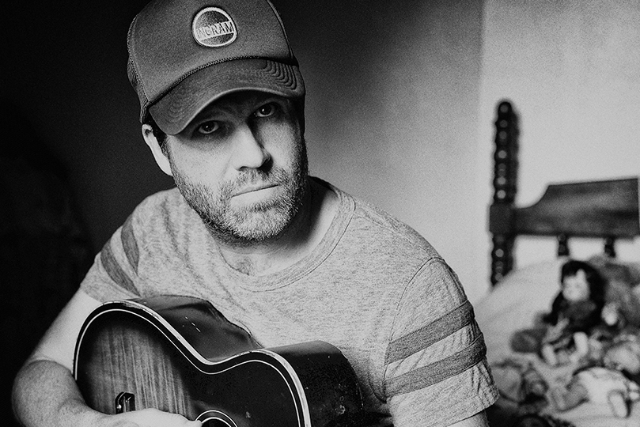
Neilson Hubbard
Neilson Hubbard
Americana
These are the words that open Digging Up The Scars, Neilson Hubbard’s new album. Hubbard has been making beautiful music for decades, as a member of Strays Don’t Sleep (with Matthew Ryan), The Orphan Brigade (with co producer Ben Glover), as a solo artist, and as one of Nashville’s most renowned producers. But with Scars, Hubbard has reached an apex of his art, epic and intimate, symphonic and simple, the record is a pleading question to a lover and the universe at the same time, asking “What do I believe in? What do you believe in? What do we believe in?” It’s a rare artist that can ask such synchronous questions of simplicity and grandeur in an album based on soft acoustic guitar and pedal steel under a sweeping orchestration of strings and still keep the songs direct and personal. Nobody is making records like this anymore. Scars contains songs that touch on fierce love and loyalty to beliefs and time. As a songwriter, Hubbard has always been concise and descriptive, illuminating specific details wrapped around epic choruses that ask the big questions, direct pleas to both the Divine and mortals: “Where you been,” “will you wait for me?” But with Digging Up The Scars, Hubbard has taken on a symphonic fabric that underlies and elevates the drive of each song. The second track, “Where You Been” begins simply with acoustic guitar and lap steel and builds to an incredible sweep of orchestra with the violins and cellos driving into parts that chop at the urgency of the chorus’ pleading question. This is a record that takes on a layer of new meaning in this specific time in our history. Also new to Hubbard’s sound is the addition of Juan Solorzano’s lap steel, which is undoubtedly the supporting actor to Hubbard’s soft understated vocals. Adding a ghostly atmosphere underneath the constant rhythm of skin on strings, the lap steel lifts each song to the stars, hanging over the listener as a comforting voice of unity and communion, asking each of us to question our place in the universe. Hubbard’s art, whether as a solo songwriter or as a producer has always done that: reached to join parts to a greater whole. Authenticity is an overused word, but Hubbard embodies this in all of his art. In 2019, Hubbard produced the Grammy nominated Rifles and Rosary Beads by Mary Gauthier. He has always been a deft director of sound. Hubbard’s production specializes in staying true to the song and he chooses a small ensemble of players that are as spontaneous and loyal to beauty and space as he is. Recently moving into photography and film, Hubbard directed the documentary and produced the soundtrack of The Orphan Brigade: Soundtrack to a Ghost Story which won a number of awards and birthed the band The Orphan Brigade (Hubbard, Joshua Britt and Ben Glover). With Joshua Britt, through their company Neighborhoods Apart, he directs and produces music videos and has worked with John Prine, Jason Isbell, Lucinda Williams and The Blind Boys of Alabama as well as a host of artists without household names. And as a songwriter, his work has been featured in Grey’s Anatomy, One Tree Hill and Private Practice as well as several films. And his photography captures the stark and gorgeous reality of each subject, unadorned and genuine. One of Hubbard’s greatest gifts in his songs and his vocal delivery is the simple humility which he employs like a whisper. In an era of flaunt and flourish, Hubbard stays simple and true. The song, “The End of the Road,” is an instant classic, a Tom Waits promise “They’ll tear it out when we’re gone “Does any of this really matter,” he asks in “Our DNA” a song to his young son. Digging Up The Scars is a passing down of all that Neilson Hubbard believes in -fierce allegiance to honor.
Folk Rock
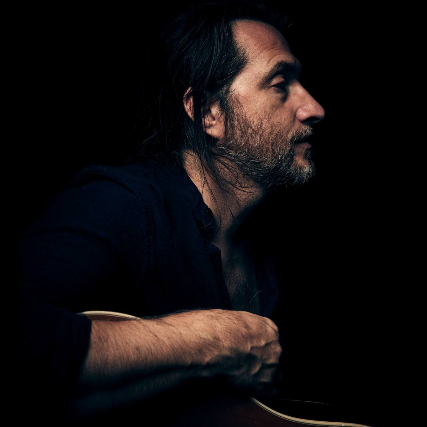
Matthew Perryman Jones
Matthew Perryman Jones
Folk Rock
“One day I’ll know as I am known,” Matthew Perryman Jones sings in “Happy,” the opening track of his fantastic new album, The Waking Hours. The line is both a hopeful prayer and a knowing promise that tugs at the heartstrings of the song cycle: the idea of letting control go and giving ourselves over to the transformative power of love and life.
The narrator of “Happy” has “all that I've wanted, more than I need. I’ve got a girl on my arm who loves me.” The chorus, though, concludes with a question: “Why can’t I let myself be happy?” It's a question he answers further into the set, on “Half-Hearted Love,” when he confesses that, “...the truth is I’m afraid to love what I could lose.” It's a fear he's not alone in suffering.
To convey the song's “idea of moving in love with no thought of return, with the eagerness to have it, even if it completely ruins you... in the best way,” Jones turned to one of his favorite Goethe poems, “The Holy Longing,” and borrowed the tried-and-ever-true imagery of a moth being drawn to a flame. After all, you have to risk the sorrowful depths of loss in order to rise the joyful heights of love. That's the grand bargain of life.
And that's, ultimately, the central thesis of The Waking Hours, Jones's fifth studio album.
Relentlessly considering life from and through every angle is classic Matthew Perryman Jones, as evidenced so clearly on his past releases, especially 2012's Land of the Living. The Pennsylvania native is a seeker of truths who also happens to be a writer of songs, so his existential rumblings and reckonings get turned into art that is both beautiful and meaningful. Even so, that art, according to Jones, can't — mustn't — be a stopping point for others on their particular journey. It can only be a sign post.
“Life is not found in concepts or interesting thoughts that others have lived and whittled into words,” Jones muses. “We have to have our own experiences to form our own way of being and thoughts about things. And then you have another experience that shapes it all into something different.” Letting go, it seems, is actually the most vital part of holding on.
Jones touches on this throughout the album, on the seductively stuttering “Careless Man” which features both Young Summer and Marilyn Monroe, on the eminently singable “Anything Goes,” on the quietly haunting “Coming Back to Me,” and on the gloriously anthemic title track.
Closing the album, Jones took a turn into Tom Waits' “Take It with Me,” which was captured in the first and only take of it he did, as a way of honoring the song's spirit. “This song conveys whole-hearted living beautifully,” he offers. “I thought it would be a great way to close this record out.”
Whole-hearted living, whole-hearted loving... there's no other way through this album or this life. It is not easy, but it is simple. And Matthew Perryman Jones shares the secret in “Carousel,” singing, “Close your eyes. Forget where you’re going. Joy can take you by surprise. Just let it in.”