TICKET SALES TERMINATED
Tickets are currently unavailable on TicketWeb
Opus One Presents
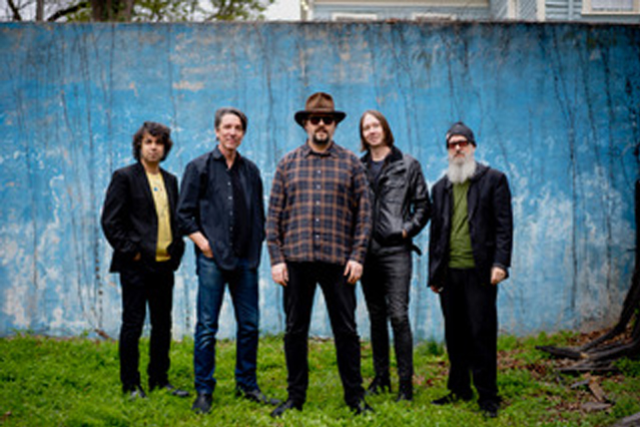
Drive-By Truckers with Special Guest Buffalo Nichols - Presented by 91.3 WYEP
Fri, 15 Oct, 8:00 PM EDT
Doors open
7:00 PM EDT
Mr Smalls Theatre
400 Lincoln Ave, Millvale, PA 15209
TICKET SALES TERMINATED
Tickets are currently unavailable on TicketWeb
Description
All patrons and touring parties must present proof of vaccination (with the last dose administered no less than 14 days prior to date of arrival) or a negative COVID test taken within 72 hours and a government-issued photo ID upon entry. A clear and legible copy, or photo of your vaccination card, will be accepted.
All Ages
Event Information
Age Limit
All Ages

Music
Drive-By Truckers
Drive-By Truckers
Music
Drive-By Truckers released their third 'studio' album Southern Rock Opera on September 11th, 2001. They self-released it on their own tiny Soul Dump label, pressing 5000 copies with a tiny budget they raised by crowdsourcing (as it's come to be
known), raising the money online from fans turned investors. They ended up selling 10,000 copies independently without any sort of distribution, mostly sold at shows during the massive tour that they booked themselves. A tour that began with 75 shows in 90 days and that stretched well into the following year.
The success of the Southern Rock Opera Tour and the album that inspired it led to the band getting proper management and being picked up by High Road Touring, who have been their agents ever since. The band signed their very first record deal with Lost Highway Records, who reissued the album in the summer of 2002 as the tour stretched to the end of the year. A trajectory that saw the band moving from small dive bars and sleeping on floors, to playing bigger rooms and theaters, and touring on a bus.
Southern Rock Opera became the first of a string of albums that has seen the critically acclaimed band morph and continue to thrive for nearly a quarter of a century. The band is well known for its high energy and cathartic shows, as well as for a prolific string of albums that combine astute politics, southern storytelling, and an eclectic approach to rock and roll that has been played at thousands of shows on three continents.
Always restless and never a band keen on repeating itself, people have asked the band for years about the possibility of another Southern Rock Opera Tour to no avail. Guitarist Mike Cooley, never one to mince words, has long responded that it should only be done when it could be performed "On Ice!" Meanwhile, the album has continued to sell, eventually recouping its original record deal, and often appearing on lists of the best albums of the 2000s.
To commemorate the reissue, DBT will embark on Southern Rock Opera Revisited 2024 Tour, playing almost all of the album in its entirety, alongside a few songs that feel like part of the work's continued relevance to the band. Although the band still holds onto the dream of SRO On Ice one day happening, it’s no coincidence that 2024 is also an election year. Another year full of some of the same contentious issues that inspired much of the original album's content, which was set in the post-civil rights deep South, in the era of George Wallace and the like. The band plans to play the album, not as a relic of another
time and place, but as a continued conversation about where we came from, and where we are headed in this crazy time in history that we currently reside in. As the band says in one of its songs, "It ain't about the past.”
Music
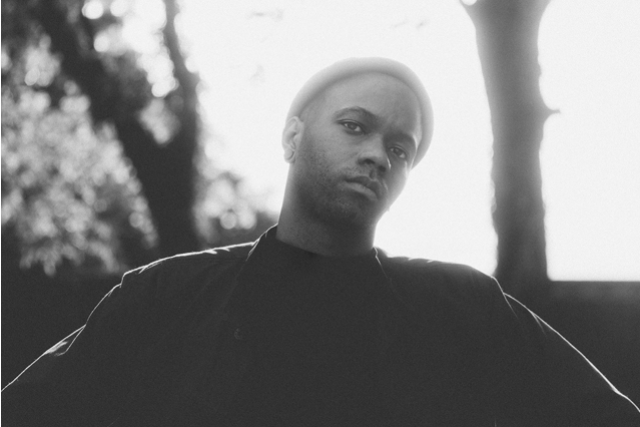
Buffalo Nichols
Buffalo Nichols
Music
Since his earliest infatuations with guitar, Buffalo Nichols has asked himself the same question: How can I bring the blues of the past into the future? After cutting his teeth between a Baptist church and bars in Milwaukee, it was a globetrotting trip through West Africa and Europe during a creative down period that began to reveal the answer.
“Part of my intent, making myself more comfortable with this release, is putting more Black stories into the genres of folk and blues,” guitarist, songwriter, and vocalist Carl “Buffalo” Nichols explains. “Listening to this record, I want more Black people to hear themselves in this music that is truly theirs.” That desire is embodied in his self-titled debut album—Fat Possum’s first solo blues signing in nearly 20 years—composed largely of demos and studio sessions recorded between Wisconsin and Texas.
Born in Houston and raised in Milwaukee’s predominantly Black North end, the guitar was Nichols’ saving grace as a young man. The instrument captured his fascination, and provided him with an outlet for self-expression and discovery in isolation. While other children chased stardom on the field, court, or classroom, Nichols took to his mother and siblings’ music collections, searching feverishly for riffs to pick out on his instrument. Sometimes, this dedication meant listening to a song 200 times in order to wrap his mind around a chord; as a teenager, it even routinely meant staying home from school to get extra practice.
It would’ve required a more than arduous journey across town to find a secular circle to jam with in a city still reeling from redlining and segregation, so despite a lack of a religious upbringing, Nichols went sacred. A friend invited the teenage guitarist to church for a gig and the opportunity proved to be Nichols’ much-needed breakthrough to music circles in the area. But over the following years, he began to feel overextended, and abandoned the demanding grind of a supporting role in nearly ten Milwaukee scene bands, none of which bore his vision as a lead performer. “I was happy with all the stuff that I was doing, and I was learning, but I wasn’t playing anything that was very creatively fulfilling,” Nichols says. “I needed the time and space. I was overwhelmed.”
Stints in college and in the workforce led him overseas, where the appreciation of African-American folkways lit a renewed spark in Nichols. It was the bustling of jazz in places like the working class areas of Ukraine, or in Berlin cafes where expatriate Black Americans routinely treat fans to an enchanting evening of blues, that would lead to his a-ha moment. Nichols returned home to America, meditating on his own place in the music that holds the country’s truest values and rawest emotions between bar and measure. “Before this trip, it was hard for me to find that link between all these blues records I heard and people who are living right now. I figured out it’s not a huge commercial thing, but it still has value. So, I came home and started playing the blues more seriously, doing stuff with just me and my guitar,” Nichols says.
Nichols admits that anger and pain are realities that color the conversations and the autobiographical anecdotes behind his observational, narrative-based approach to songwriting. However, with his lyricism on Buffalo Nichols, he intends to provide a perspective that doesn’t lean heavily into stereotypes, generalizations or microaggressions regarding race, class and culture. The album sees Nichols wrestling with prescient topics, such as empathy and forgiveness on the poignant, ever-building melody of “How to Love;” regret and loss on moving, violin-inflected “These Things;” and the pitfalls of lives lived too close to the edge on the smooth, dynamic “Back on Top.” On the tender, aching album opener and lead single “Lost & Lonesome,” he gives listeners what he describes as a “glimpse into the mind of that traveler looking for a friend and a place to call home;” inspired by his years traveling alone, looking for a place for his passions to fit in, even if temporarily, the track is an ode to exploration and the creative ingenuity of isolation. At the forefront of each song is Nichols’ rich voice and evocative, virtuosic guitar-playing, augmented on half of the nine tracks by a simple, cadent drum line.
While acknowledging the joy, exuberance and triumph contained in the blues, Nichols looks intently at the genre’s origins, which harken back to complicated and dire circumstances for Black Americans. With this in mind, Nichols says there is a missing link, which he’s often used as a compass: Black stories aren’t being told responsibly in the genre anymore. To begin changing that, Buffalo Nichols gets the chance to tell his own story in the right way.