TICKET SALES TERMINATED
Tickets are currently unavailable on TicketWeb
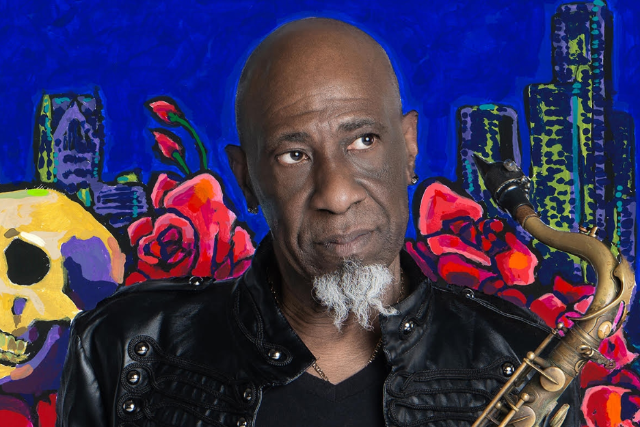
Dave McMurray: Grateful Deadication 2 Album Release
Thu, 18 May
Doors open
7:00 PM EDT
The Magic Bag
22920 Woodward Avenue, Ferndale, MI 48220
TICKET SALES TERMINATED
Tickets are currently unavailable on TicketWeb
Description
Dave McMurray's move to Blue Note Records is a reunion of sorts, given the long history the saxophonist shares with the label's president, and fellow Detroit native, Don Was. McMurray was a member of Was' genre-defying unit Was (Not Was), first working together on the band's self-titled 1981 debut. He's played on all of the band's albums and many other Was produced projects in the years since.
When Was signed McMurray to Blue Note, the saxophonist says that he gave him no imperatives as to which artistic paths to take. "It was one of those situations in which he just said, 'Do it,'" McMurray explains.
"I know Dave's playing really well. He doesn't bullshit," Was praises. "He's never playing licks for the sake of playing licks. He's not trying to impress people with what all he knows about music or about his dexterity over the instrument. It's all about honest expressions."
McMurray has cemented his reputation for versatility by playing with a vast array of musicians that include B.B. King, The Rolling Stones, Bob Dylan, Iggy Pop, Patti Smith, Bonnie Raitt, Johnny Hallyday, Gladys Knight, Albert King, Nancy Wilson, KEM, Bootsy Collins, Herbie Hancock, Geri Allen, and Bob James. McMurray sounds as assured and inspired in a rock, R&B, funk, pop or folk setting as he does playing hard bop.
McMurray attributes his saxophone sound and improvisational approach to growing up in Detroit. "Every time I hear an instrumentalist from Detroit play, it feels like they are singing. I don't care if it's Yusef Lateef, James Carter or Kenny Garrett. All of those saxophonists incorporated incredible technique too. But they had this singing quality in their playing. I think people hear that and connect with that aspect of it," McMurray says.
Was argues that it's absorbing so many different music and cultures in Detroit that distinguishes most musicians from there. "Dave absorbed a wide range of musical styles, which I think is something that's consistent with Detroit musicians," Was says. "You can trace it back to the boom of the auto industry after World War II. Workers not only from all over the country but from all over the world came to work in the auto plants. And they brought their cultures with them. There were so many different styles of music that you could hear; Detroit has such an eclectic blend of influences that I think what you find in music that comes out of Detroit is this genre-busting type music."
For sure, McMurray stands on Detroit's mighty music legacy that includes the influential Motown sound, P-Funk, numerous rock acts such as Stooges and the MC5, electronica-music pioneers Carl Craig, Moodymann and Theo Parrish; and hip-hop icons – J Dilla, Eminem and Slum Village. And let's not forget the legion of jazz artists from Detroit that include Elvin Jones, Betty Carter, Milt Jackson, Regina Carter and Geri Allen.
McMurray's journey into music began when he started playing clarinet as kid, and inspired by his older brother's interest in the saxophone he decided he wanted to learn that instrument, too. He counts seeing Cannonball Adderley perform on The Steve Allen Show as a defining moment in his childhood.
Event Information
Age Limit
All Ages
Refund Policy
There are no refunds.
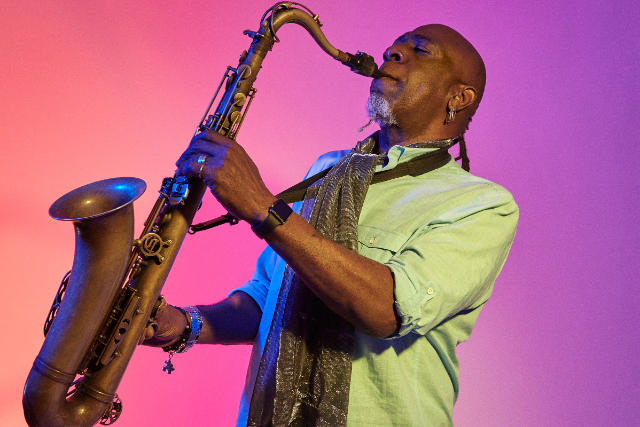
Jazz Funk
Dave McMurray & Grateful Deadication
Dave McMurray & Grateful Deadication
Jazz Funk
Dave McMurray's move to Blue Note Records is a reunion of sorts, given the long history the saxophonist shares with the label's president, and fellow Detroit native, Don Was. McMurray was a member of Was' genre-defying unit Was (Not Was), first working together on the band's self-titled 1981 debut. He's played on all of the band's albums and many other Was produced projects in the years since.