TICKET SALES TERMINATED
Tickets are currently unavailable on TicketWeb
Opus One Presents
Cris Jacobswith Special Guest Magnolia Boulevard
Thu, 21 Nov, 8:00 PM EST
Doors open
7:00 PM EST
Club Cafe
56-58 South 12th Street, Pittsburgh, PA 15203
TICKET SALES TERMINATED
Tickets are currently unavailable on TicketWeb
Description
21 and Over * Limited seating and standing room only. Seating available on a first-come first-serve basis only
Event Information
Age Limit
21+
Jazz
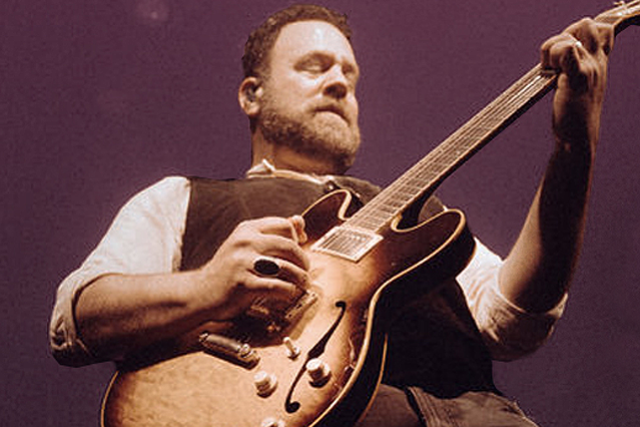
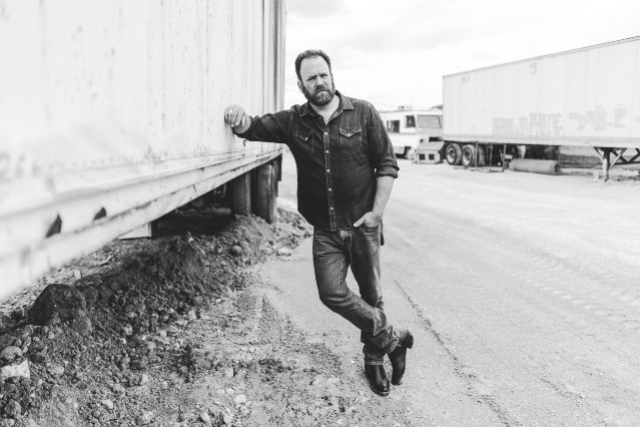
Cris Jacobs
Cris Jacobs
Jazz
Cris Jacobs lost his way. Most of us do. Part of the story is in those lost days. But more of the story is in what we find again.
“As kids, we always had that feeling of, things are going to work out, the way I dream they’ll work out,” Jacobs says. “But then, the goal posts keep moving. And you wake up one day, and you’re 45 and still reaching.” Jacobs has gone for a walk in the hills outside Baltimore, which is still home. He takes a deep breath. “I think that’s human nature, and that’s what I’ve come to accept and embrace.”
For Jacobs, the last several years have been hard––and transformative. With a vote of confidence from a legend, a no. 2 pencil and scratchpad, and his acoustic guitar, he went into his barn to write. He emerged with his finest album to date.
Produced by Jerry Douglas, One of These Days is a stunning collection of storytelling and song, rooted in bluegrass, folk, and blues, but unencumbered by rules and expectations. The Infamous Stringdusters serve as the album’s rollicking house band, joined by friends including Billy Strings, Sam Bush, Lee Ann Womack, the McCrary Sisters, Lindsay Lou, and more. The result is unfettered, joyful virtuosity, swirling around Jacobs’ powerful voice, gut-check meditations, and close-up character sketches. “I’ve always found so much comfort in roots music––in string band music,” Jacobs says. “There’s just something about the sound of all those instruments together that resonates with me to my core and brings me grounding and peace.”
Jacobs needed some peace. As he confronted depression, he’d spent years trying to ignore, he faced artistic and personal doubts. He wanted to be a better husband and more present dad. He also wanted to figure out why he was still making music. “I was on the verge of giving it all up,” Jacobs says. “I didn’t really know what I wanted to do with music anymore, because it felt like I’d been scratching and clawing for years––just never quite getting there, even though, when I zoom out and look at the life and career I’ve had, well, 20 years ago I would have been ecstatic if you’d told me these things would happen.”
An acclaimed singer-songwriter with a long track record of smart, soulful rock-and-roll, Jacobs is beloved by fans and respected by peers, such as Sturgill Simpson and Steve Winwood, for whom he opened tours. A celebrated collaboration with Ivan Neville turned heads in 2017, while NPR, Rolling Stone, Paste, and others have encouraged music lovers to pay attention for years. But Jacobs still felt like he was hungry for something just out of reach.
“Amongst everything, I was having a musical identity crisis as well,” Jacobs said. “I thought, ‘You know, I’m just going to go back to the things that make me really inspired and happy. The simple things.’” He reached out to Jerry Douglas, whom he’d met while playing a festival, to ask if Douglas would be interested in producing his record. Douglas didn’t hesitate: Absolutely. Then, Jacobs asked the Infamous Stringdusters, longtime friends, to be his album’s band––and got the same enthusiastic response.
Around the same time, Jacobs sought professional medical help. He got medication and discovered transcendental meditation. He got back to the basics of practicing guitar. And then, in about four months, with Douglas and the Infamous Stringdusters waiting, he wrote the 11 songs that make up One of These Days.
“Reminding myself to get out of my own way and keep it simple and soulful was the mantra that propelled the whole thing,” Jacobs says. “And having a guy like Jerry, a hero of mine who’s so connected to American roots music but has always been an innovator, patting me on the back and saying everything sounded good and that he liked my songs was one of the biggest boosts of encouragement I could have gotten.”
It’s listeners who are the luckiest ones: It turns out that for Jacobs, finding purpose and peace sounds like a jubilant front-porch jam. Album opener “Heavy Water” runs through a thunderstorm with a chorus of strings and Jacobs’ unmistakable vocals. Beautiful “Wild Roses and Dirt” unfolds in starkly visual vignettes like a dream. It holds a special place for Jacobs. “It was the first song that I completed for this record, and it came out in a very flowing way,” he says. “It’s also the one we started the sessions with. It just set the vibe for the magic that was to come.”
All of the tracks were recorded live––something Jacobs wasn’t expecting. When everyone got together, it was just too good––too spirited––not to.
The title track taps into that relatable restlessness that Jacobs battled and has accepted. It’s one of two tracks featuring Sam Bush and his mandolin. The second, “Queen of the Avenue,” is a feat of storytelling and musicianship with breathtaking backing vocals from the McCrary Sisters. Like many of the album’s tracks, the song creates a fictional character based on historical facts––this time in Jacobs’ old Baltimore neighborhood.
Baltimore itself is a gritty character on the album. “Poor Davey” is another deliciously haunting story song, featuring Billy Strings on guitar and vocals. Jacobs wrote the track in real time while following a harrowing news story that was unfolding in Baltimore. Rolling “Pimlico” weaves a tale set at the city’s iconic racetrack.
Featuring Lindsay Lou, vocal showcase “Work Song” explores the transcendent power of singing. “I was digging into the inspiration of what I wanted this record to be, reading a lot of stories about this area where I grew up,” Jacobs says. “I read about crab pickers down on the eastern shore. All they did all day long was pick crabs––tedious, boring work. The conditions were awful. But one of them said, ‘No matter what, I could still sing, and that was all I needed to get through to the next moment.’”
Mournful “Cold, Cold Walls” mulls over consequences with crying strings that sometimes roar to a shout, while “Lifetime to Go”––with Lee Ann Womack––asks a partner to find comfort in the time that’s left.
Featuring just Jacobs on cigar box guitar and vocals and Jerry Douglas on lap steel, “Daughter, Daughter” is a standout. As Jacobs worries about what awaits his little girls on any given school day, he reminds them, himself, and the rest of us not to forget to live. “That song came pretty easily once I started opening it up,” he says. “Writing it felt like a prayer. I don’t even know who I was talking to. Well, talking to them, but talking to the higher power at the same time. That one means a lot to me.”Album closer “Everybody’s Lost” is a poignant last word, acknowledging sadness and striving alongside hope and shared experience. “I’m always trying to get better, and it never seems like things are where they’re supposed to be,” Jacobs says. “The realization that it’s normal to feel like you’re not where you want to be––that everybody else has this same sort of feeling they can’t explain––maybe it makes it easier. For all of us.”

Music
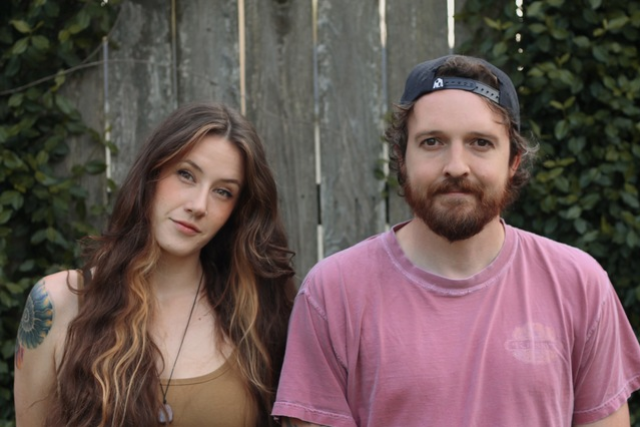
Magnolia Boulevard
Magnolia Boulevard
Music
Like a caterpillar going through metamorphosis and becoming a butterfly, Magnolia Boulevard experiences a transformational process of growth on its latest EP, Things Are Gonna Change. The five song project out July 7 sees the Lexington, Kentucky based band embrace the change in their lives, both good and bad, from pandemic related isolation to motherhood and the sudden passing of founding drummer Todd Copeland in 2021, in the process proving how through all life’s hurdles you can still endure.
The EP is written mostly by guitarist & keys player Ryan Allen and lead vocalist Maggie Noelle. Over the course of Things Are Gonna Change’s five songs the band lays out the story of their lives over the past few years and how they’re collectively grown from it beginning with the frenetic, anxiety ridden “Grip”. Slowly the paranoia present in the lyrics of the song evolve, eventually yielding the happy, loving and nurturing “More” that concludes with Maggie Noelle triumphantly belting out how becoming a mother has given her a new perspective on life, singing “And I’ll break down the walls that I built once before, ‘Cause you build me up and you make me more.”
In many ways, the band has thrived in part of how they’ve built and lifted each other up since forming in 2017. At the time Maggie Noelle was playing in a bluegrass band, although she’d been yearning for a creative outlet where she could let loose like her idols Bonnie Raitt and Susan Tedeschi.
In the six years since Magnolia Boulevard has gone on to develop a close relationship with PRS Guitars Founder and CEO Paul Reed Smith (who helped to mix and master Things Are Gonna Change) in addition to sharing stages with the likes of Blues Traveler, George Porter Jr., Marcus King, Neal Francis, Reverend Peyton’s Big Damn Band. The group has also been recognized for their excellence, winning the award for “Best Rock Band” at the Lexington Music Awards in 2018 and 2019 along with taking home first prize in the “On The Rise” band competition at Floydfest, one of the east coast’s biggest music festivals, in 2018.
Much like the band members of Magnolia Boulevard have endured over the highs and lows of the past few years, so has their music. The band’s emphatic and empowering anthems of love, self discovery, grief and uncertainty serve as a lesson to us all about life’s unpredictable nature and how to better live in the moment so we can appreciate everything and everyone around us before they’re gone.
“All I can hope is that folks can relate to each song in their own way & can feel every ounce of love that we put into them. There’s nothing more that I’d personally like to accomplish with our music than to share space for people to bask in.” - Mag