EVENT CANCELLED
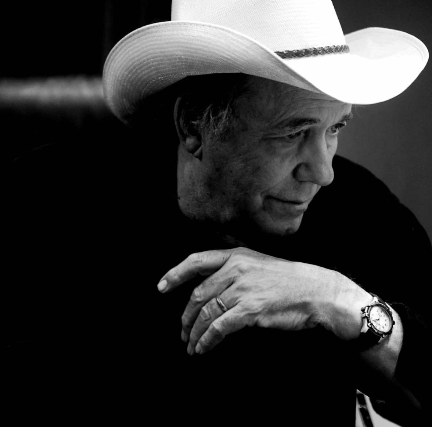
CANCELLED: A Tribute to Bobby Bare Sr. feat. Mary Gauthier, Max T. Barnes & Bobby Bare Jr.
Wed, 9 Apr, 6:00 PM CDT
Doors open
5:00 PM CDT
The Bluebird Cafe
4104 Hillsboro Pike, Nashville, TN 37215
EVENT CANCELLED
Description
PLEASE NOTE THAT THIS SHOW IS A TRIBUTE TO BOBBY BARE SR. AND HE WILL NOT BE PERFORMING.
THIS IS A PREPAID SHOW, REFUNDS ARE NOT AVAILABLE.
There are 18 tables, 8 bar seats and 8 church pew seats available for reservation. The remaining pew seats for this show are not reserved in advance. These seats are available on a first come/first served basis when doors open.
Ticket reservations at The Bluebird Cafe are an agreement to pay the non-refundable cover charge and applicable taxes/fees and to meet the $12.00 per seat food and/or drink minimum.
Note: When making reservations, choose the table you would like and then add the number of seats you need to your cart by using the + button. You are NOT reserving an entire table if you choose 1 (by choosing 1, you are reserving 1 seat). We reserve ALL seats at each table. If you are a smaller party at a larger table, you will be seated with guests outside your party.

Alternative Folk
Mary Gauthier
Mary Gauthier
Alternative Folk
“A reckoning,” Mary Gauthier writes on the outer sleeve to her newest album, “can be personal, political, or spiritual. These songs inhabit all three realms at once.”
Yes. Yes, they do.
Mary's most celebrated songs — “I Drink,” “Mercy Now,” “Drag Queens in Limousines” — are confessional stories, closely observed, clear-eyed and compassionate. She sings with the unmistakable languor of her native Louisiana, writes with the bluntness of Boston, where she was once a successful restauranteur, and rewrites with the fierce precision of Nashville, her home for many years. Her 2018 release, Rifles & Rosary Beads, co-written with wounded Iraq war veterans, received a Grammy nomination for Best Folk Album, and an Americana Music Association nomination for Album of the Year. During Covid she wrote and saw published (by MacMillan) Saved by a Song: The Art and Healing Power of Songwriting, part memoir, part reflection on songwriting, through the lens of her most impactful songs.
Reckoning (Soundly, Sept 25, 2026) is a dense, carefully nuanced, profoundly complex text, though all nine songs are presented as directly as possible: Mary's voice, her guitar, bits of harmonica. Folk music, of a kind, but not a broadside. Nothing so easy as that. Topical songs with a long view, because she's seen and lived too much of it.
A story, from Nashville, from before. The first time we met, if we even met on the porch to that old pizza joint during whatever conference that was, just a bunch of strangers, small talking between sets. Daylight, still. Something happened down the block, a woman on a bicycle ended up on laying injured in the street. We stood waiting, hushed, not sure. Mary ran straight to her to find out if she was ok. Sprinted.
These new songs have that urgency. This is not a moment to stand waiting, idle.
Vince Gill has already recorded one track at the center of The Reckoning, though, in the best folk tradition, his version of “Some Times” chooses different verses from the many drafts he and Mary wrote together. The title came from an off-hand comment by Mavis Staples, Vince had the beginnings of a melody and a thought about the Orange Blossom Special. While doing research, Mary found a photo of a proud black waiter who worked on that New York to Miami train. The song became his story, our story.
“Heaven” took longer to finish. Mary and Lori McKenna wrote it back in 2014, but neither found a context in which to record it. It, too, is the story of an elder facing loss, of hope, and, yes, of reckoning. One day Mary shifted the refrain from “He'll be all right if...” to “...because he believes in heaven” and the song finally snapped into place.
The title track, an Aaron Lee Tasjan co-write, is as close to an anthem as anything Mary has written over a dozen albums. “There's a fault beneath the surface,” she sings. “A seam about to split.” How it feels. It's not a call to arms (that would be “Judgment Day”), but a profession of hope. Of faith, even.
Gauthier also uses the language of faith to frame the immediate politics of “Soldier of Fortune” (an Eliza Gilkyson co-write), which moves from the cross to the concentration camps to the streets of Minneapolis.
“I think deep faith comes from lived experience, more than religion,” Mary says. “Remember, I'm 37 years sober now. I've watched tens of thousands of people get into a better place and have a better life after facing down horrible stuff. I've seen redemption, I've seen and lived the alchemy of rebirth in this life. I want to reclaim some of these words. They are about the human experience. They don't belong to any denomination.
”Reckoning is a decidedly human experience. Co-producer Neilson Hubbard notes on the sleeve that Mary had suggested Springsteen's Nebraska for a sonic template. “Along with preserving intentional space,” Hubbard writes, “these choices helped shape the record's intimate sonic landscape.”
For her part, Mary offers a dry chuckle. ““There were moments where the pearl snaps on my shirt hit the guitar,” she says. “And my guitar is not always in perfect time. There are a couple notes that kinda plunk. Perfection is no longer useful because technology has made it accessible to everyone. Perfection is not human anyway. Flaws and foibles and showing your humanity, that's how we connect. Not perfection.”
And hope. Nebraska is a dark, private album.The Reckoning gives voice to Mary's patient, private, optimism. “My sense is that we're going to get through this,” she says. “The snake is going to eat its tail. We make decisions, and 25-30 years later, they come to their conclusion, and there's that moment of reckoning.”
— Grant Alden, Morehead, KY, June 2026
Country
Max T. Barnes
Max T. Barnes
Country
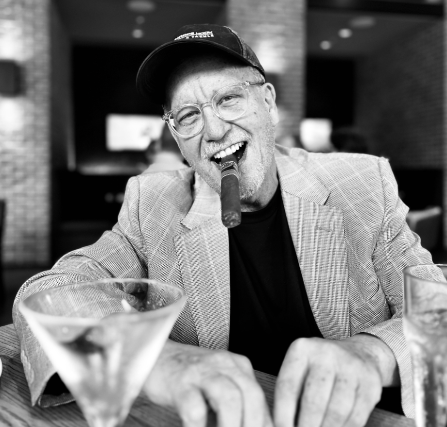
Max T. Barnes is a hit writer who is the son of a hit writer. Between Max T. and his late father they have written 33 #1’s and hits and sold over 70 million records. They are the only father and son in CMA history to be nominated against each other for CMA Song Of The Year. Max T will play you songs that make you cry then serve up the lighter side and leave you laughing.
He currently tours the world with his band, gives writer seminars, speaks and teaches at CLE’s and plays guitar in the studio on hit records such as, “How Do I Live” by LeAnn Rimes. Max T lives in a 100 year old school on 40 acres in Nashville with his wife Robin “Chief” of 35 years.

Americana
Bobby Bare Jr.
Bobby Bare Jr.
Americana
In 1974, when Bobby was only eight, he and his father (country musician Bobby Bare, Sr.) were both nominated for a Grammy Award for the song "Daddy What If", written by Shel Silverstein. Bare's daughter Isabella did a version of the song, which was featured on Twistable, Turnable Man, a tribute album to Shel Silverstein, co-produced by Bare and his father. He and his siblings also appeared on the television show Hee Haw when he was a child, to provide the witch scream on Bobby Bare, Sr.'s song "Marie Laveau"
He began playing guitar and songwriting, and started as a professional musician when he was about 30. Bare has said that he is someone who avoided "working a real job at any cost." He worked as a member of the road crew and as a light technician. Once he started writing and performing, he was offered contracts with Immortal Records and Lost Highway.
In the 1990s, he led the roots rock outfit Bare Jr., which was signed to Immortal Records, at that time the home of Korn and Incubus. They released two major label records, 1998's Boo-Tay and 2000's Brainwasher. They had a minor radio hit with "You Blew Me Off," which was featured in the movie Cruel Intentions and its soundtrack. The song was also performed on Late Night with Conan O'Brien on March 3, 1999.
In February 2016, Bare joined a new touring lineup of Robert Pollard's band, Guided by Voices, as guitarist along with Doug Gillard also on guitar, bassist Mark Shue and drummer Kevin March.
Many of Bare's songs incorporate a lot of humor and references to popular culture.His writing has been characterized as "inventive and melodic.” Shel Silverstein was a huge influence in his approach to songwriting. Bare describes it as writing poems and turning them into songs, which was very similar to what Silverstein did.